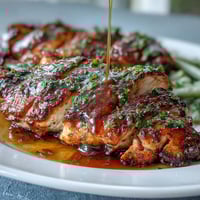
 Save
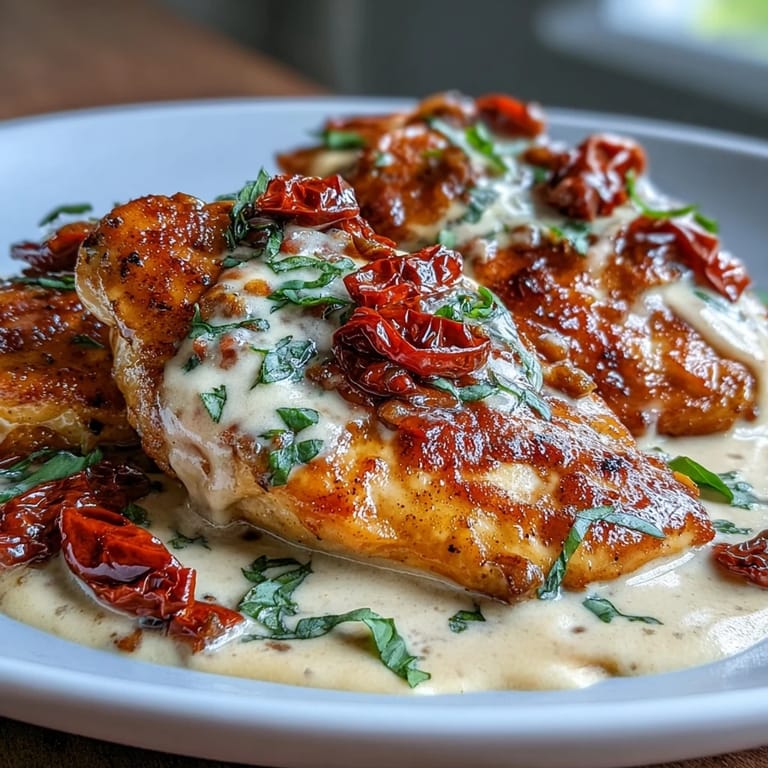
Save Last Tuesday I stood in front of my pantry at 5:47 p.m., completely blank on dinner, when a jar of pepperoncini caught the kitchen light. Something about those bright, tangy peppers sitting next to cream seemed like it could work, so I grabbed chicken thighs and decided to trust my instincts. Twenty minutes later my family was asking for seconds, and I realized I'd stumbled onto something that feels fancy but takes less time than ordering takeout. That's when this skillet became a regular thing in our rotation.
I made this for my mom's book club gathering on a Thursday, and she kept it in the rotation because guests actually asked for the recipe instead of just complimenting the salad. The cream turned this sunny yellow-gold color as the pepperoncini worked through it, and people kept finding reasons to take another bite. It's the kind of dish that feels like you spent three hours cooking, which is the best kind of secret to keep.
Ingredients
- Chicken (1 pound boneless, skinless thighs or breasts): Thighs are your friend here because they forgive timing mistakes and stay tender, but breasts work fine if that's what you have on hand.
- Olive oil (2 tablespoons): This is your cooking base, so use something you'd actually taste—don't waste money on fancy stuff, but skip the ultra-cheap bottles.
- Pepperoncini (1 cup sliced, fresh or jarred, drained): These little tangy peppers are the whole point, so don't skip them or substitute with jalapeños—they're completely different characters.
- Garlic (3 cloves minced): Fresh garlic transforms as it hits the pan, filling your kitchen with that warm, toasted smell that signals everything's about to taste good.
- Heavy cream (1 cup, or half-and-half for lighter): This creates the silky sauce that ties everything together; don't use milk because it'll separate and look curdled.
- Low-sodium chicken broth (1 cup): The broth dilutes the cream so it becomes sauce instead of just a rich puddle, and low-sodium lets you taste the pepperoncini instead of salt.
- Salt and black pepper: Season generously because chicken can handle it, and you're building layers here, not making something timid.
Tired of Takeout? 🥡
Get 10 meals you can make faster than delivery arrives. Seriously.
One email. No spam. Unsubscribe anytime.
Instructions
- Prep your chicken:
- Pat the chicken completely dry with paper towels—this one step makes the difference between pale, steamed chicken and golden, seared chicken that actually tastes like it went through your best pan. Season both sides generously with salt and pepper, then let it sit for a minute so the seasoning actually sticks instead of sliding right off.
- Get that skillet screaming:
- Heat your olive oil over medium heat until it shimmers and moves like liquid, not like it's thinking about moving. This usually takes about two minutes, and you'll smell when it's ready—there's a subtle warm note that tells you it's time.
- Sear the chicken golden:
- Lay the chicken down gently and don't touch it for six to seven minutes—this is the hardest part because your brain wants to keep checking, but leave it alone so it develops that beautiful golden crust. Flip it once and cook the other side the same way, then transfer to a plate.
- Build the sauce base:
- Lower the heat to medium-low and add your minced garlic to the same pan, letting it toast for about a minute until your kitchen smells like a real restaurant. Add the pepperoncini and give it two to three minutes so they release their flavor into the oil.
- Create that creamy magic:
- Pour in the chicken broth and heavy cream together, stirring gently so they marry instead of streaking. Bring it to a gentle simmer and let it bubble quietly for five to seven minutes, stirring occasionally, until it thickens just enough to coat the back of a spoon.
- Bring it all together:
- Return the chicken and any juices that pooled on the plate back into the skillet, nestling it into the sauce and spooning that silky golden liquid over the top for two to three minutes. This finishes cooking the chicken and lets all the flavors get to know each other.
- Taste and adjust:
- Give the sauce a taste before serving—you might want a tiny pinch more salt or pepper depending on your ingredients, so trust what your mouth tells you instead of the recipe.
 Save
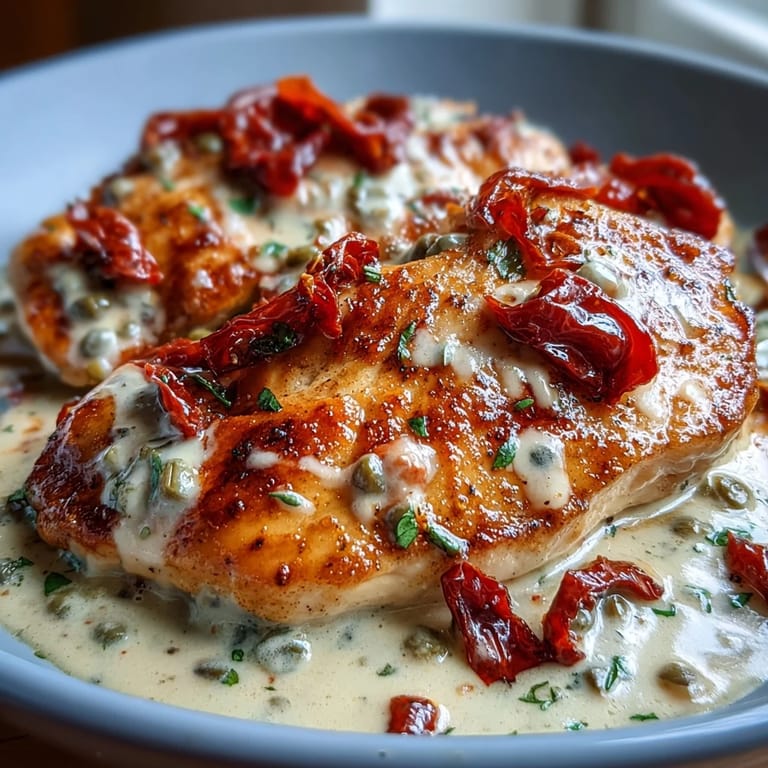
Save My husband came home that first night, took one bite, and the kitchen went quiet except for the sound of him eating. That's the moment I knew this would become something we'd make over and over, the kind of meal that doesn't need ceremony but somehow feels special anyway.
What To Serve It With
The sauce is too good to waste, so serve this over something that'll catch every drop. Rice soaks it up beautifully, pasta twirls through it, and even a pile of buttered egg noodles turns this into something you'll want more of. A bright green salad on the side cuts through the richness perfectly, or if you're keeping it simple, just some crusty bread for sauce-soaking wins the day.
Flavor Boosts You Can Try
If you're feeling adventurous, fresh parsley or basil stirred in at the end adds a bright note that makes everything taste fresher and more alive. A squeeze of lemon juice right before serving wakes up all the flavors without making it taste noticeably lemony, just more themselves. Some people add a splash of the pepperoncini brine for extra tang, which is brilliant if you like things on the brighter side.
Make-Ahead and Storage Tips
This dish actually gets better as it sits because the flavors keep developing, so you can make it up to three days ahead and reheat it gently on the stove instead of the microwave, which keeps the sauce smooth and silky. If you're cooking for a crowd, this recipe doubles easily—just use a bigger skillet or work in two batches so the chicken has room to actually sear instead of steaming. Leftovers transform into an amazing grain bowl when you've got rice and some fresh vegetables on hand, turning last night's dinner into something that feels completely new.
- Store leftovers in an airtight container in the fridge and they'll keep for up to three days.
- Reheat gently over medium-low heat, stirring occasionally so the sauce warms evenly and stays creamy.
- You can freeze this for up to a month, though the cream sauce may separate slightly when thawed, so stir it well as it warms.
 Save
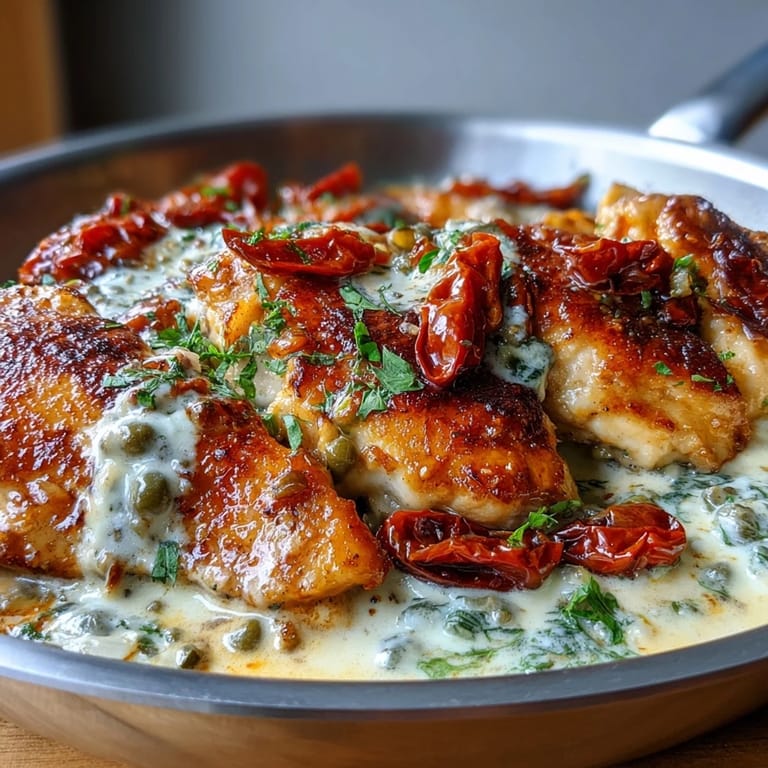
Save This is the kind of weeknight meal that sneaks into your regular rotation and suddenly you're making it twice a month because people ask for it. It's simple enough that you don't stress, but delicious enough that everyone notices.
Recipe Q&A
- → What type of chicken works best?
Boneless, skinless chicken thighs or breasts can be used. Thighs offer more juiciness, while breasts are leaner.
- → Can I use a different cream substitute?
Yes, half-and-half or coconut cream can replace heavy cream for a lighter or dairy-free option, adjusting flavor accordingly.
- → How do I add more tanginess to the sauce?
Adding a splash of pepperoncini brine during simmering enhances the tangy flavor without overpowering the dish.
- → What sides complement this skillet?
Serve with rice, pasta, or a crisp green salad to balance the creamy and tangy notes of the dish.
- → How long can leftovers be stored?
Store leftovers refrigerated for up to three days in an airtight container for best freshness.