 Save
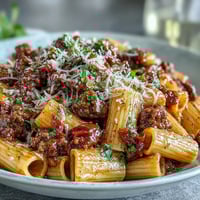
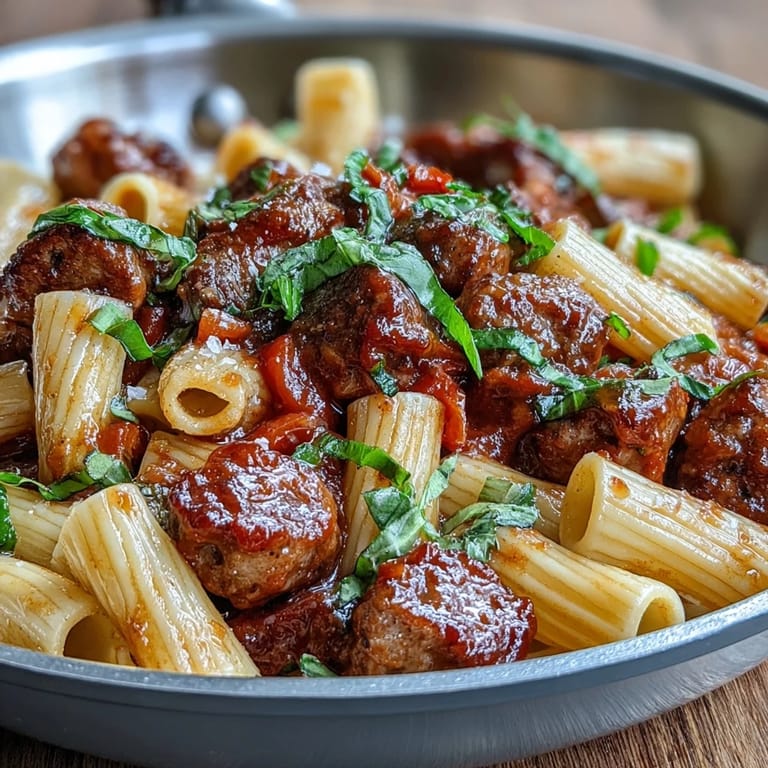
Save There's something about the smell of sausage browning in a pot that makes me abandon whatever I was doing and head straight to the kitchen. A few years back, I was testing recipes for a dinner party when this one-pot wonder came together almost by accident—I had red wine, sausage, and pasta on the counter, and instead of cooking them separately like a sensible person, I threw caution to the wind. The result was creamy, rich, and so effortless that my guests assumed I'd been cooking all day.
I made this for my sister last winter when she showed up at my door exhausted from a long work week. She sat at the kitchen counter watching the cream swirl into the wine-dark sauce, and I watched her shoulders finally relax. By the time we sat down to eat, she was laughing again—comfort food doing what it does best.
Ingredients
- Italian sausage (400g, casings removed): The backbone of this dish; breaking it into small pieces as it cooks helps it brown evenly and distribute throughout the pasta instead of clumping.
- Onion (1 medium, finely chopped): Finely chopped rather than chunky means it softens quickly and blends into the sauce seamlessly.
- Garlic (3 cloves, minced): Mince it fine so the flavor blooms immediately when it hits the hot pan with the sausage fat.
- Red bell pepper (1, diced): Adds sweetness and brightness; dicing smaller means it cooks faster in the one-pot method.
- Canned chopped tomatoes (400g): Buy good quality if you can—it's one of the few ingredients doing the heavy lifting here.
- Short pasta (300g—penne, rigatoni, or fusilli): Short shapes trap the creamy sauce better than long noodles would; cook it right in the pot rather than separately.
- Dry red wine (120ml): Whatever you'd drink, use that; the cheap stuff tastes cheap even after cooking.
- Low-sodium broth (700ml): Keeps the dish from becoming oversalted since sausage and soy sauce contribute their own saltiness.
- Heavy cream (120ml): Added at the very end so it stays silky instead of breaking or curdling.
- Parmesan cheese (40g, grated): Freshly grated melts better than pre-shredded; it also adds a salty, umami note that pulls everything together.
- Soy sauce (2 tbsp): The secret weapon that adds savory depth without tasting obviously Asian—it just makes everything richer.
- Dried oregano (1 tsp): Not fresh here; dried oregano has a concentration that works better in a one-pot braise.
- Chili flakes (1/2 tsp, optional): Adds a whisper of heat that keeps the richness from feeling heavy.
- Black pepper (1/2 tsp) and salt (to taste): Season as you taste at the end rather than guessing upfront.
- Fresh basil or parsley (for garnish): A handful of fresh herbs at the end wakes up all the flavors you've been building.
Tired of Takeout? 🥡
Get 10 meals you can make faster than delivery arrives. Seriously.
One email. No spam. Unsubscribe anytime.
Instructions
- Brown the sausage:
- Heat your pot over medium heat and add the sausage with no oil—it has enough fat of its own. As it cooks, break it into small, uneven pieces with your spatula; this takes about 5–6 minutes and you want a deep golden-brown color, not just cooked through.
- Build the aromatic base:
- Add the onion, garlic, and bell pepper directly to the sausage fat and cook for 3–4 minutes, stirring occasionally, until the onion becomes translucent and you can smell the garlic. The fond (those browned bits stuck to the bottom) is your flavor gold.
- Deglaze with wine:
- Pour in the red wine, scraping the bottom of the pot with your spatula to lift up all those flavorful bits. Let it bubble and reduce for about 2 minutes so the harsh alcohol smell mostly cooks off.
- Add liquids and seasonings:
- Stir in the canned tomatoes, broth, soy sauce, oregano, chili flakes if using, and black pepper. This is when the pot goes from smelling like sausage to smelling like dinner.
- Cook the pasta right in the sauce:
- Add the uncooked pasta and stir so most of it is submerged. Bring everything to a gentle boil, then lower the heat to medium-low, cover with a lid, and cook for 12–15 minutes, stirring now and then so nothing sticks to the bottom. The pasta will absorb the liquid as it cooks, creating a naturally creamy consistency.
- Finish with cream and cheese:
- Once the pasta is tender and most liquid is absorbed, stir in the heavy cream and Parmesan. Cook uncovered for another 2–3 minutes just until the sauce coats the back of your spoon and looks silky.
- Taste and adjust:
- Before serving, taste a bite of sauce and add salt if it needs it—the sausage and soy sauce have already contributed their saltiness, so you usually don't need much.
- Finish and serve:
- Tear some fresh basil or chop parsley and scatter it over each bowl as you serve. Fresh herbs are non-negotiable here; they're the final flourish that makes people say yes to seconds.
 Save
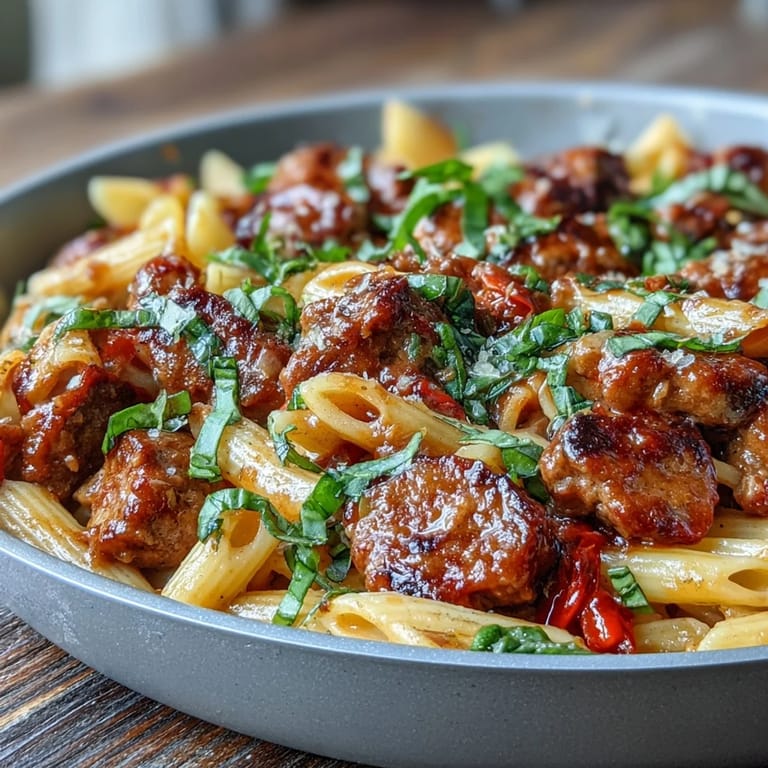
Save I've come to realize this dish is less about technique and more about paying attention. A friend once said she always knew I loved cooking because I never rushed the browning of the sausage, and that stuck with me. It's true—the moment you let the meat develop that deep color, everything else just follows.
Why One Pot Changes Everything
Cooking pasta directly in the sauce instead of in salted water separately is a game-changer. The starch from the pasta dissolves into the broth, naturally thickening it as it cooks and creating a sauce that clings to every piece. I learned this by accident once when I forgot to cook the pasta separately, and now I'd never go back to the old way.
Playing with Heat and Wine
The chili flakes are optional, but I've started thinking of them as essential—not for heat, but for balance. Sausage, cream, and cheese can feel heavy and one-dimensional without that tiny prickle of spice to keep things interesting. The wine, too, does more than add flavor; it adds acidity that cuts through the richness and makes every bite feel brighter.
Variations and Make-Aheads
This recipe is forgiving enough to adapt to what's in your pantry. Turkey sausage works beautifully if you want something leaner, and I've made a vegetarian version with plant-based sausage that surprised even the meat-eaters at my table. The dish is best served fresh, but any leftovers reheat gently on the stovetop with a splash of broth to loosen the sauce.
- If you're cooking for people with dietary restrictions, swap the sausage and check your soy sauce label for gluten.
- A splash of extra cream at the end can turn this from creamy to decadent if you're feeling indulgent.
- Pour yourself a glass of the same wine you're using—it pairs perfectly with the finished dish.
 Save
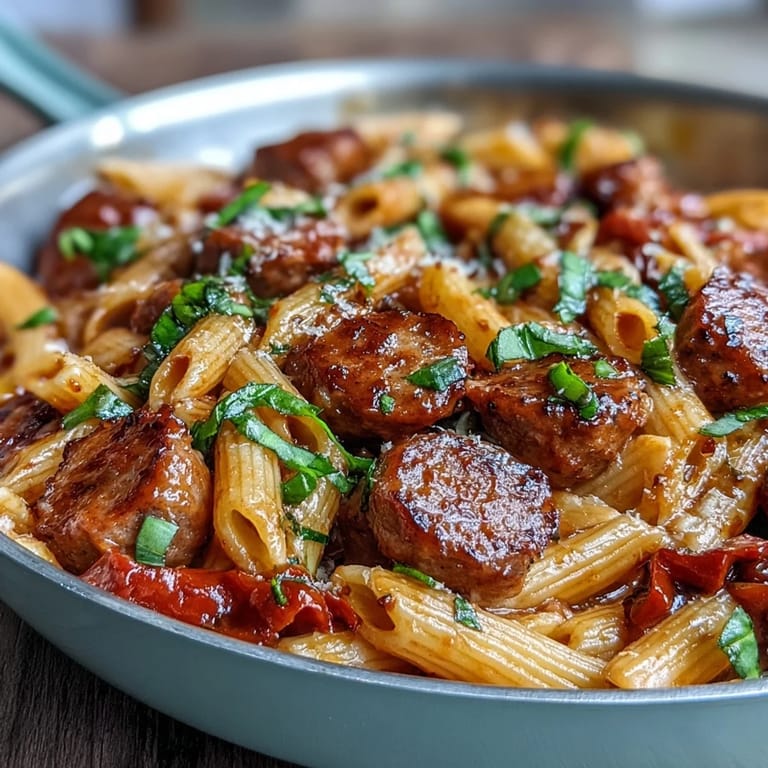
Save This one-pot sausage pasta has become my go-to when I want to cook something that feels special but doesn't demand much of me. It's proof that the best meals often come from trusting your instincts in the kitchen and not overthinking things.
Recipe Q&A
- → What type of pasta works best?
Short pasta shapes like penne, rigatoni, or fusilli are ideal as they catch the creamy sauce and hold up well during one-pot cooking.
- → Can I make this without wine?
Substitute additional broth or grape juice for the red wine. The flavor profile will change slightly but remain delicious.
- → How do I store leftovers?
Store in an airtight container in the refrigerator for up to 3 days. Reheat gently with a splash of cream or broth to restore creaminess.
- → Can I use fresh tomatoes?
Yes, use 500g diced fresh tomatoes. You may need to simmer slightly longer to achieve the right sauce consistency.
- → Is the soy sauce necessary?
Soy sauce adds umami depth and enhances the savory notes. You can omit it or substitute with a splash of Worcestershire sauce.
- → How can I make it lighter?
Use turkey or chicken sausage, substitute half-and-half for heavy cream, and increase the vegetable ratio with more bell peppers.