 Save
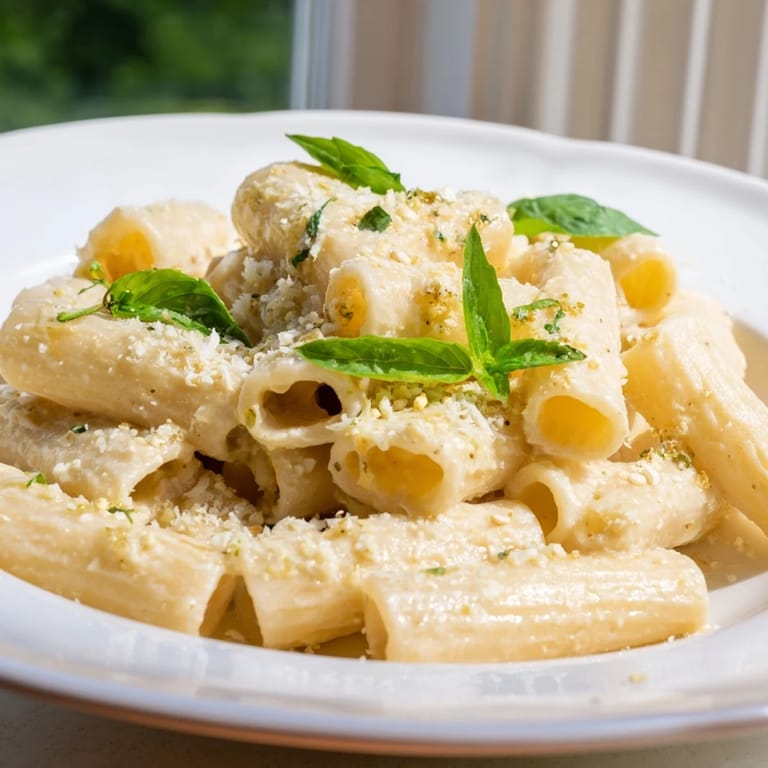
Save I discovered this dish completely by accident one Tuesday night when I had cottage cheese, pasta, and zero inspiration in my kitchen. My roommate had been raving about some viral TikTok trend, and I was skeptical—cottage cheese in pasta sounded like a stretch. But ten minutes and a blender later, I had something so creamy and satisfying that I made it three times that week. It's become my go-to when I need something that tastes indulgent but actually makes me feel good.
The first time I served this to my friend Maya, she swirled her fork through it suspiciously, took one bite, and immediately asked for the recipe. She couldn't believe cottage cheese was the secret, and honestly, neither could I the first time. That moment made me realize this dish has some kind of magic—it breaks all the fancy-food rules and still wins people over.
Ingredients
- Pasta (180 g dried): Use whatever shape you love—penne catches the sauce beautifully, but spaghetti has its own charm. The key is cooking it just until it bends with the gentlest pressure, not a second longer.
- Cottage cheese (200 g): This is the whole foundation, so don't skip it or swap it lightly. Full-fat versions blend smoother, but low-fat works too—just add an extra splash of milk if it looks grainy.
- Parmesan cheese (30 g freshly grated): Pre-grated loses its magic, so grab a block and a microplane. The fresh stuff melts into the sauce like it was made for this.
- Milk (2 tbsp, plus more as needed): This thins everything to silky perfection. Start conservative and add more as you taste—you're going for creamy, not soup.
- Garlic (1 clove, minced): One clove is enough; it should whisper, not shout. Mince it fine so it disappears into the sauce.
- Extra virgin olive oil (1 tbsp): This adds richness and helps emulsify the sauce. Don't use the cheap stuff here—you'll taste the difference.
- Black pepper and salt: Taste as you go; cottage cheese can absorb seasoning surprisingly fast.
- Italian herbs (½ tsp, optional): A small pinch reminds you this is pasta, nothing more. Fresh basil at the end is always better than dried herbs in the sauce.
- Fresh basil, extra Parmesan, red pepper flakes (for serving): These aren't optional—they're the finishing touches that make it feel complete.
Tired of Takeout? 🥡
Get 10 meals you can make faster than delivery arrives. Seriously.
One email. No spam. Unsubscribe anytime.
Instructions
- Get your pasta going:
- Salt your water like the sea and let it boil hard—this is the only seasoning the pasta gets. Stir it once when it hits the water, then leave it alone while you prep the sauce.
- Make the magic sauce:
- Dump cottage cheese, Parmesan, milk, garlic, olive oil, pepper, salt, and herbs into a blender. Blend on high until it's completely smooth and creamy, like velvet—this usually takes 30 to 45 seconds. If you see tiny cottage cheese curds, keep blending.
- Warm gently:
- Pour the sauce into a skillet over low heat and stir constantly. You're not trying to cook it, just warm it through; high heat will break it. If it looks thick, splash in some pasta water or milk a little at a time until it flows like cream.
- Bring them together:
- Drain your pasta, reserving that starchy water like gold. Toss the hot pasta into the sauce and coat every strand, adding pasta water bit by bit until it's silky and clings to the pasta without pooling at the bottom.
- Finish and serve:
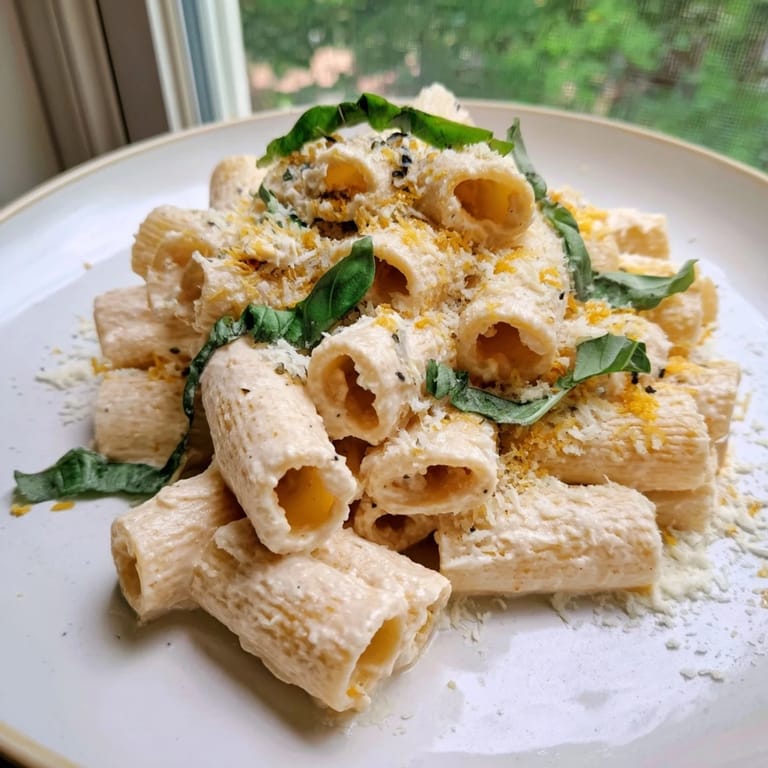
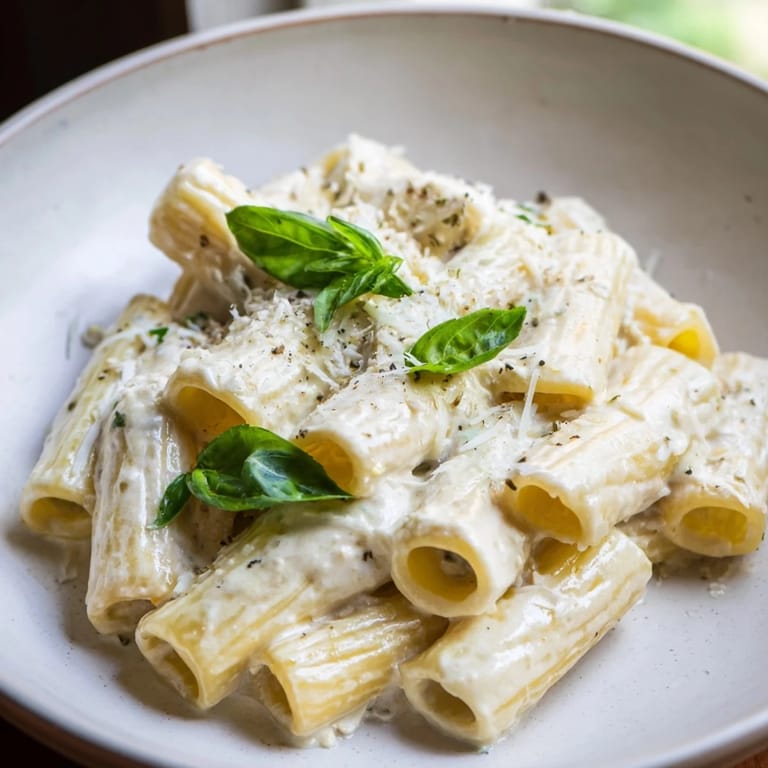
- Divide into bowls immediately while everything is hot. Tear fresh basil over the top, shower with Parmesan, and add a pinch of red pepper flakes for brightness. Eat it right away before it sits and cools.
 Save
Save There was this Friday when I made this for my sister after she'd had a rough week, and watching her face light up over something so simple and nourishing reminded me that food doesn't have to be complicated to matter. It became her favorite sick-day meal, and now it's coded into our family rotation as comfort.
Why This Sauce Actually Works
The science is quiet but clever: cottage cheese is mostly water and protein, and when you blend it smooth, it becomes a natural emulsion that clings to pasta just like any cream sauce would. The Parmesan adds umami and saltiness, while the milk acts as a buffer—it keeps things creamy without needing butter or heavy cream. The heat is kept low specifically so the proteins don't seize up and break apart. It's one of those dishes that proves you don't need tradition to make something delicious, just the right understanding of what you're doing.
Customizing Without Losing the Plot
This sauce is flexible enough to play with but simple enough that you notice when something changes. I've stirred in roasted cherry tomatoes and suddenly it tastes Italian; I've added crispy bacon and it becomes something else entirely. Some nights I sauté mushrooms while the pasta cooks and toss them in at the end, which adds earthiness without overwhelming. The point is to treat this as a foundation, not a rule—once you understand how it works, you can bend it to what you're in the mood for.
The Small Details That Matter
Freshly grating Parmesan instead of using the pre-grated stuff is the kind of small thing that sounds precious but actually changes the dish. Pre-grated Parmesan has cellulose to keep it from clumping, and that coating keeps it from melting smoothly into the sauce. Fresh garlic minced fine dissolves into the background and seasons the whole dish evenly, while garlic powder sits there tasting like garlic powder. These aren't snobby details—they're the difference between a silky sauce and a grainy one, between seasoning that sings and seasoning you taste all at once.
- Use pasta water like you're seasoning with it, because you are—it carries starch that helps the sauce coat the pasta.
- Tear basil by hand instead of cutting it; the leaves stay bright and don't bruise the way a knife would.
- Serve immediately in a warm bowl so the sauce doesn't cool and thicken before you eat it.
 Save
Save This dish has a way of showing up when you need it most, whether that's a quick dinner for one or something that impresses without pretense. Once you make it, you'll understand why it went viral.
Recipe Q&A
- → What type of pasta works best with this sauce?
Short pasta shapes like penne or rigatoni hold the creamy sauce well, but spaghetti also works for a lighter coating.
- → How can I adjust the sauce consistency?
If the sauce is too thick, add reserved pasta water or a splash more milk while warming the sauce to achieve a silky texture.
- → Can I add other ingredients for more protein?
Yes, cooked chicken or sautéed mushrooms can be stirred in for extra protein and flavor.
- → Is there a substitute for cottage cheese?
Ricotta can be used instead for a milder, creamier sauce variation.
- → What herbs complement this dish well?
Dried Italian herbs add a subtle fragrant note, while fresh basil leaves brighten the final plate.
- → Can I make this dish gluten-free?
Yes, using gluten-free pasta allows this dish to suit gluten-sensitive diets without losing flavor.