 Save
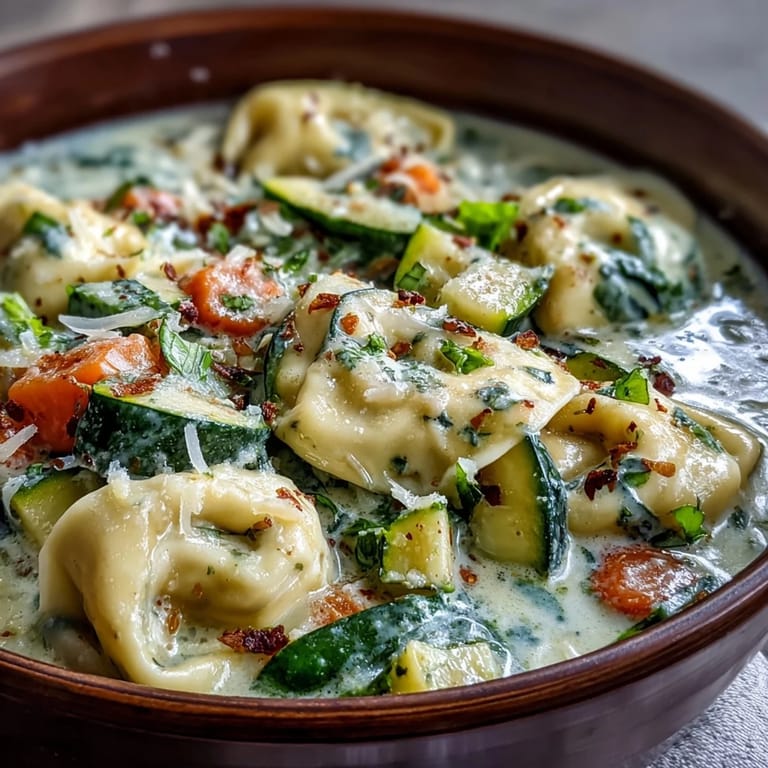
Save My neighbor stopped by on a chilly Tuesday evening with an armful of zucchini from her garden—the kind of abundance that happens every late summer when gardeners panic about their harvest. Rather than let them languish in her fridge, she challenged me to use them in something warm and comforting, and this soup was born that same night. The beauty of it is how quickly it comes together, turning her generosity into something that tastes like it simmered for hours but really only took the time to brew a pot of tea.
I made this for my sister's book club night, and she served it in white bowls with crusty bread on the side. What struck me was how everyone went quiet for a moment after that first spoonful—not in a polite way, but in that genuine way people do when food genuinely surprises them. She's kept the recipe card on her fridge ever since, stuck between a photo of her kids and a reminder to call the dentist.
Ingredients
- Olive oil: Just a tablespoon here, enough to coat the pan without making this heavy—it's the foundation for softening your vegetables without browning them too much.
- Yellow onion, carrot, and celery: This is the holy trinity that teaches you how to build flavor from the ground up, each vegetable adding its own subtle sweetness and depth.
- Garlic: Those three cloves minced fine wake up the whole pot once they hit the hot oil, their fragrance telling you exactly when to add the next ingredients.
- Zucchini: Diced small so it softens quickly and practically melts into the broth, adding body without any bitterness.
- Baby spinach: Added at the very end so it keeps its color and doesn't turn to mush, a bright note against the creamy base.
- Cheese tortellini: The heart of this dish—look for the refrigerated kind because it cooks faster and tastes fresher than frozen, and the filling adds its own richness to the broth.
- Vegetable broth: Four cups gives you the liquid foundation, though you can adjust this if you prefer a thicker or brothier consistency.
- Heavy cream and milk: Together they create that velvety texture without being overwhelmingly thick, striking the balance between creamy and sippable.
- Italian herbs: A teaspoon of dried herbs does the work of fresh in this case, infusing slowly into the warm broth without getting lost.
- Salt, pepper, and red pepper flakes: Layer these gradually, tasting as you go, because everyone's palate is different and you want it to taste right to your own mouth.
- Parmesan and fresh basil: The garnish is where you add the final flourish, a reminder that the best meals often have those last-minute touches that make them feel special.
Tired of Takeout? 🥡
Get 10 meals you can make faster than delivery arrives. Seriously.
One email. No spam. Unsubscribe anytime.
Instructions
- Build your flavor base:
- Heat that olive oil over medium heat and listen for the subtle sizzle as you add your diced onion, carrots, and celery. You're looking for them to soften around the edges without browning, about five minutes, which is exactly when your kitchen will smell like the beginning of something good.
- Wake up the pot:
- Stir in your minced garlic and diced zucchini, and within two minutes the aroma will shift—that's when you know the garlic has released its oils. Don't wait too long or it'll start to brown and turn bitter.
- Build the broth:
- Pour in your vegetable broth and bring everything to a rolling boil, then reduce the heat so it simmers gently. Ten minutes here lets the vegetables really soften and all those flavors meld together.
- Add the tortellini:
- Drop in your cheese tortellini and follow the package instructions, usually three to five minutes depending on the brand. The pasta will sink at first, then float to the surface as it cooks, a little signal that it's almost ready.
- Create the creamy finish:
- Lower the heat to a gentle simmer—this is important because you don't want the cream to break or separate. Stir in your heavy cream, milk, dried herbs, salt, pepper, and red pepper flakes if you like heat, and let it warm through for another minute or two.
- Finish with greens:
- Add your baby spinach and watch it wilt down almost immediately, turning a darker shade of green as it releases into the warm broth. This happens so fast you almost need to blink or you'll miss it.
- Taste and adjust:
- This is the secret step that nobody talks about but everyone should—taste it, and honestly evaluate if it needs more salt, more pepper, or maybe even a squeeze of lemon juice if it feels flat. Your instincts here matter more than any recipe.
- Serve with intention:
- Ladle it into bowls and top with that grated Parmesan and some fresh basil or parsley if you have it. The heat of the soup will warm the cheese, and the fresh herb adds that bright final note.
 Save
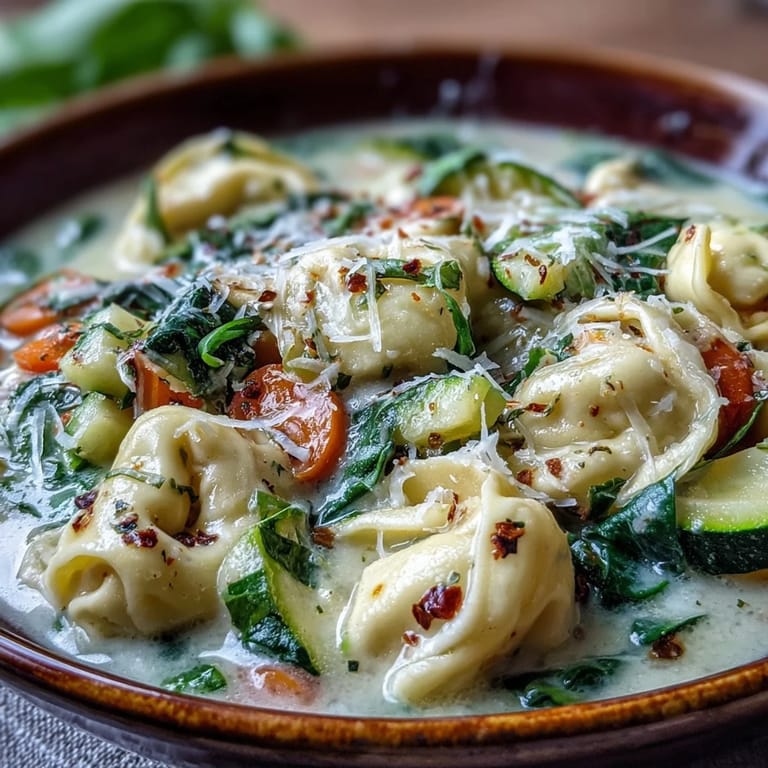
Save There's a moment during winter when someone brings a big batch of this to a gathering and it sits in a slow cooker, and suddenly that kitchen becomes the warmest, most welcoming place at the party. People gravitate toward it like it's telling stories, and somehow a simple soup becomes a quiet anchor in the chaos of the evening.
When to Make This Soup
This is your weeknight answer to the question of what's for dinner when you're tired but want something that tastes like you cared. It's also perfect for those shoulder seasons—late spring when you're tired of heavy winter food but not quite ready for salads, or early fall when you're craving warmth but it's still a little warm outside. The beauty is that it adapts to what's in your vegetable drawer, so it never feels like you're making the same thing twice.
Customizing Your Bowl
This soup is a canvas, really. If you want protein beyond what the cheese tortellini provides, a can of drained white beans stirred in with the broth turns it into something even more substantial. Swap the spinach for kale or chard if that's what you have, or add fresh mushrooms if you find yourself standing in front of the produce section wondering what to grab. The Italian herbs can be adjusted too—if you have fresh herbs on hand, use three times the amount of dried and add them at the end so they stay bright and fragrant.
The Bread Question and Other Pairings
This soup absolutely demands crusty bread—the kind you can tear into without it crumbling everywhere, sturdy enough to push around in the bowl and soak up every last bit of broth. A crisp white wine on the side is lovely if you're making this for company, something with enough acidity to cut through the cream. If you're making it on a quiet Tuesday night for yourself, honestly, it's perfect with just a glass of water and maybe some quiet time to yourself.
- Make extra and freeze it in individual portions for those mornings when you need comfort in a bowl.
- Leftovers reheat beautifully on the stovetop over gentle heat, though you might need to thin it slightly with a splash of broth or milk.
- This soup tastes even better the next day as all the flavors have time to settle and get to know each other.
 Save
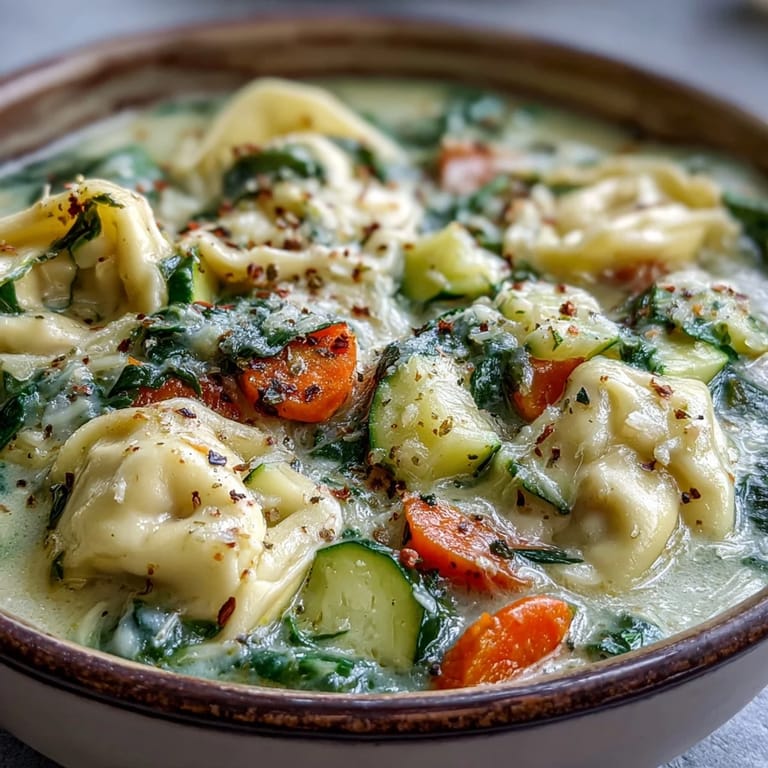
Save This soup has become one of those recipes I don't need to look up anymore because it's settled into my hands and my timing. It's the kind of meal that makes people feel cared for without requiring you to spend your entire evening in the kitchen.
Recipe Q&A
- → Can I make this soup ahead of time?
Yes, prepare the vegetable base and broth up to 2 days in advance. Add the tortellini and cream when reheating to prevent the pasta from becoming mushy and the dairy from separating.
- → What vegetables work best in this soup?
The classic trio of onions, carrots, and celery creates a flavorful foundation. Zucchini adds substance, while spinach provides fresh color. You can also include bell peppers, green beans, or diced tomatoes based on preference.
- → How do I store leftovers?
Cool completely and store in an airtight container for up to 3 days. The tortellini will absorb more liquid, so add extra broth when reheating. Avoid freezing as the cream and pasta texture may change.
- → Can I use dried tortellini instead of refrigerated?
Dried tortellini works well but requires longer cooking time. Add it earlier in the simmering process to ensure proper tenderness. Refrigerated pasta offers better texture and cooks faster.
- → How can I make this lighter?
Replace heavy cream with half-and-half or evaporated milk. Use less tortellini and increase vegetables. For a dairy-free version, substitute coconut milk or cashew cream and vegan tortellini.