 Save
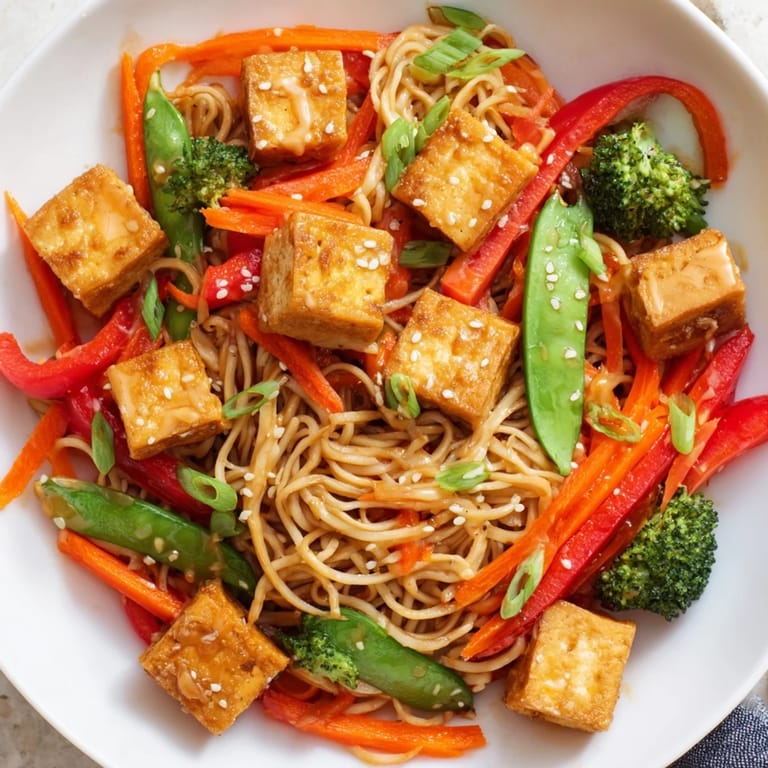
Save There's something almost meditative about the sound of tofu hitting hot oil—that sharp sizzle that fills your kitchen with promise. I discovered this sesame ginger stir-fry on a weeknight when I had nothing but pantry staples and a craving for something that didn't feel like leftovers. The beauty of it is how the crispy tofu soaks up that tangy, ginger-forward sauce while the vegetables stay snappy and alive. It's the kind of dish that tastes like you spent hours planning when really you just threw everything together with intention.
I made this for my partner on a rainy Tuesday when they'd had a rough day at work. We ate it straight from the wok because neither of us could be bothered with dishes, and something about that casual, bowl-held-close moment made the dish taste even better. They asked for the recipe before they'd even finished eating, which felt like the highest compliment.
Ingredients
- Firm tofu (400g), drained and pressed: Pressing is the step everyone skips and immediately regrets—it makes the difference between soggy and crispy.
- Cornstarch (1 tbsp): This is your secret weapon for getting that golden, crackling exterior on the tofu.
- Vegetable oil (2 tbsp for tofu, plus more as needed): Use something neutral that can handle high heat without smoking.
- Red bell pepper (1), thinly sliced: The sweetness balances the tang of the sauce beautifully.
- Carrot (1 medium), julienned: Cut them thin so they cook in the same time as everything else and stay with a little snap.
- Sugar snap peas (100g), trimmed: These stay crisp if you don't overcrowd the pan and let them actually make contact with the heat.
- Broccoli florets (100g): Small florets so they don't take forever to cook through.
- Spring onions (2), sliced: Save these for garnish—they're too delicate to cook down with everything else.
- Dried wheat or rice noodles (250g): Whatever you have on hand works, just don't overcook them.
- Soy sauce (3 tbsp): The backbone of the sauce, bringing that savory depth.
- Toasted sesame oil (1 tbsp): This is not the cooking oil—it's added at the end for aroma and flavor.
- Rice vinegar (2 tbsp): The acid that makes everything taste brighter and more intentional.
- Honey or maple syrup (1 tbsp): A touch of sweetness to round out the sauce and balance the salty-sour elements.
- Fresh ginger (2 tbsp), grated: Grate it fresh right before you use it so you get all that warm, peppery bite.
- Garlic (2 cloves), minced: Or use a microplane and you'll get an even distribution throughout the sauce.
- Sesame seeds (1 tbsp in sauce, plus more for garnish): The ones in the sauce add texture and subtle richness; the garnish ones are purely for visual appeal and that last nutty note.
- Fresh coriander or cilantro (optional): This brings a brightness that feels intentional, not like an accident.
- Lime wedges (optional): A squeeze at the end lifts everything up one more notch.
Tired of Takeout? 🥡
Get 10 meals you can make faster than delivery arrives. Seriously.
One email. No spam. Unsubscribe anytime.
Instructions
- Cook your noodles first:
- Get a pot of water boiling and cook the noodles until just barely tender—they're going to get tossed around in the wok and continue cooking slightly, so undercook them just a little. Drain and rinse under cold water so they don't clump together while you're working on everything else.
- Prep and press your tofu:
- Cut the block into bite-sized cubes, pat them dry with paper towels, and if you have time, wrap them in cloth and weight them down for five minutes. This is the step that determines whether your tofu will be crispy or sad.
- Toast your tofu until it's golden:
- Heat oil in a large skillet or wok over medium-high heat until it shimmers. Add the tofu cubes tossed with cornstarch in batches so you're not crowding the pan—you want each piece to make real contact with the hot surface. This takes about 6 to 8 minutes, and you'll know it's done when the cubes are golden brown on multiple sides with crispy edges that actually make a sound when you bite them.
- Stir-fry the vegetables until they're just barely tender:
- In the same pan, add a splash more oil if the bottom looks dry. Toss in the bell pepper, carrot, sugar snap peas, and broccoli and cook for 3 to 4 minutes, keeping everything moving so nothing burns but everything gets a little charred. You want them to still have some resistance when you bite them.
- Make the sauce while the vegetables cook:
- In a small bowl, whisk together the soy sauce, sesame oil, rice vinegar, honey, ginger, garlic, and sesame seeds. The ginger and garlic should be freshly minced or grated so they're bright and alive in the sauce.
- Bring it all together:
- Return the tofu to the pan with the vegetables, add the cooked noodles, and pour in the sauce. Toss everything gently but thoroughly for 2 to 3 minutes until the noodles are heated through and everything is coated with that glossy, fragrant sauce. If it looks too dry, add a splash of the noodle cooking water—the sauce should cling to everything but not pool at the bottom.
- Finish with freshness:
- Top with sliced spring onions, extra sesame seeds, and cilantro if you have it. Serve with lime wedges so people can squeeze them over their bowls and brighten everything up at the last second.
 Save
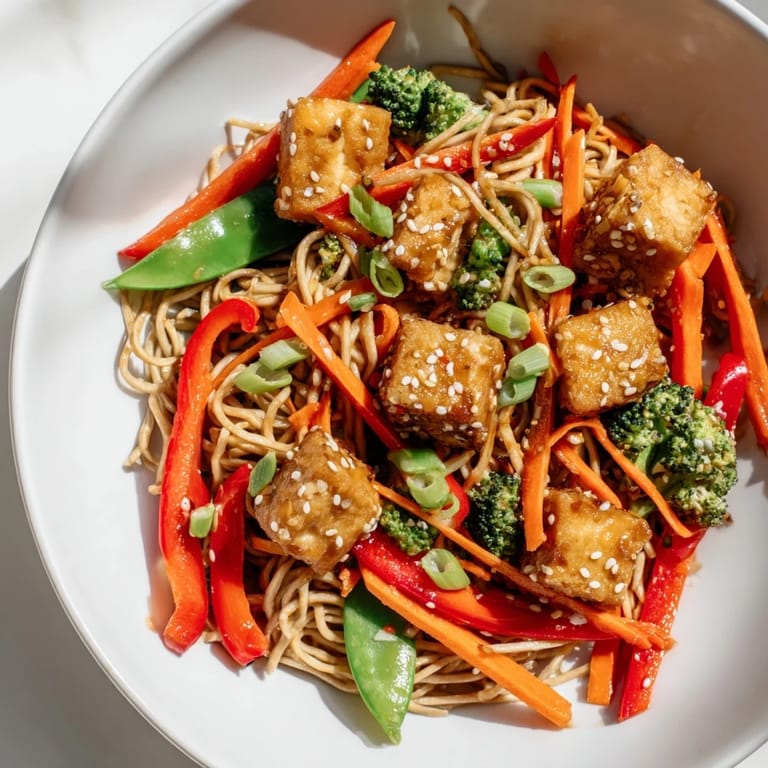
Save What struck me most about this dish is how it transformed a quiet, ordinary evening into something that felt special without any real effort. Sometimes the simplest meals made with attention and the best ingredients you have on hand become the ones people remember.
Why the Crispy Tofu Matters
Most people have had rubbery, bland tofu that tastes like it's apologizing for existing. This dish flips that narrative entirely because the cornstarch coating and high heat create a golden, crispy shell while the inside stays tender. That textural contrast is what makes people eat a whole bowl without realizing it, and it's the same technique that's secretly been elevating tofu in restaurants for years. Once you understand that tofu doesn't have to be soft and sad, it becomes one of your most versatile proteins.
The Sauce Is Everything
I used to make stir-fries with all the right ingredients but somehow they'd taste flat or one-note. Then I realized the sauce needs to be balanced—tangy from vinegar, salty from soy, a little sweet from honey, and that essential fresh ginger and garlic that wake everything up. The toasted sesame oil added at the very end is like the final word in a sentence; it makes everyone pause and ask what just happened in their mouth. It's not complicated, but it requires you to actually taste as you go and adjust what needs adjusting.
Vegetables, Vegetables, Vegetables
The vegetables in this dish aren't filler—they're the reason people come back. Each one contributes something: the bell pepper brings sweetness, the carrot adds earthiness and slight crunch, the broccoli feels substantial, and the snap peas taste like summer even in January. The key is not overcooking them; they should make a little sound when you bite them, still have color, and feel like the cook cared enough to stop cooking at the right moment. This is where the difference between rushed cooking and intentional cooking becomes obvious.
- Slice everything as uniformly as you can so it cooks at the same rate.
- If a vegetable is thicker, cut it smaller so it finishes with everything else.
- Don't add vegetables in waves unless one clearly takes longer; get them in the pan together and move them around constantly.
 Save
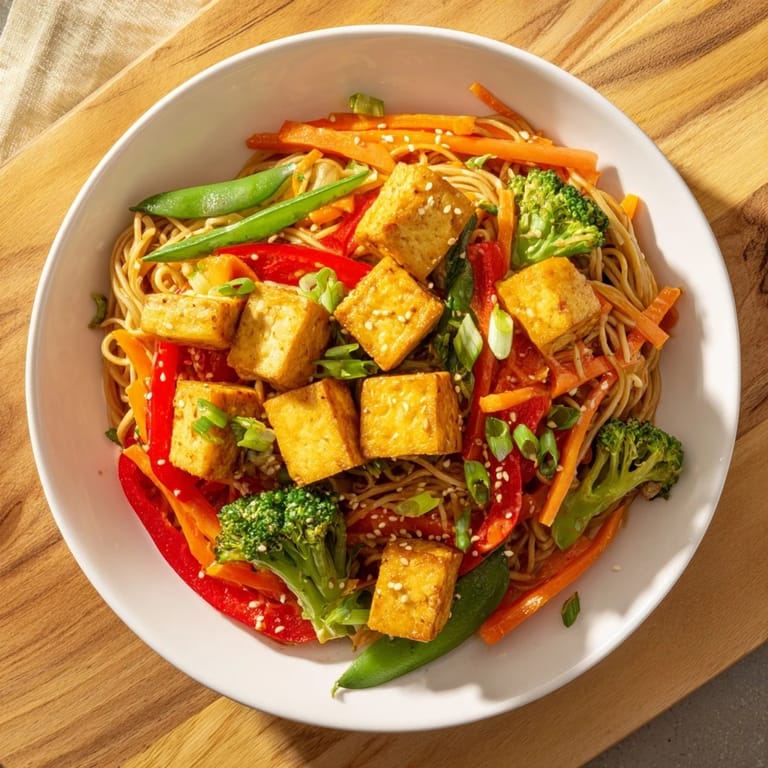
Save This stir-fry has become my go-to when I want to feel like I've cooked something real without spending my whole evening in the kitchen. It's the kind of dish that reminds you why you enjoy cooking in the first place.
Recipe Q&A
- → What type of tofu works best for this dish?
Firm tofu is ideal as it holds shape well and crisps nicely when pan-fried, providing a satisfying texture.
- → Can I use different noodles?
Yes, wheat or rice noodles both work well; pick your preference or dietary needs for best results.
- → How do I achieve a crispy texture on tofu?
Press tofu to remove excess moisture, coat lightly with cornstarch, then fry in hot oil until golden and crisp.
- → What vegetables complement the flavors here?
Bell pepper, carrot, snap peas, and broccoli provide crunch and vibrant color, pairing perfectly with the sauce.
- → Is there a way to add some heat to the flavor?
Adding chili flakes or a splash of sriracha to the sauce adds a pleasant spicy kick.