 Save
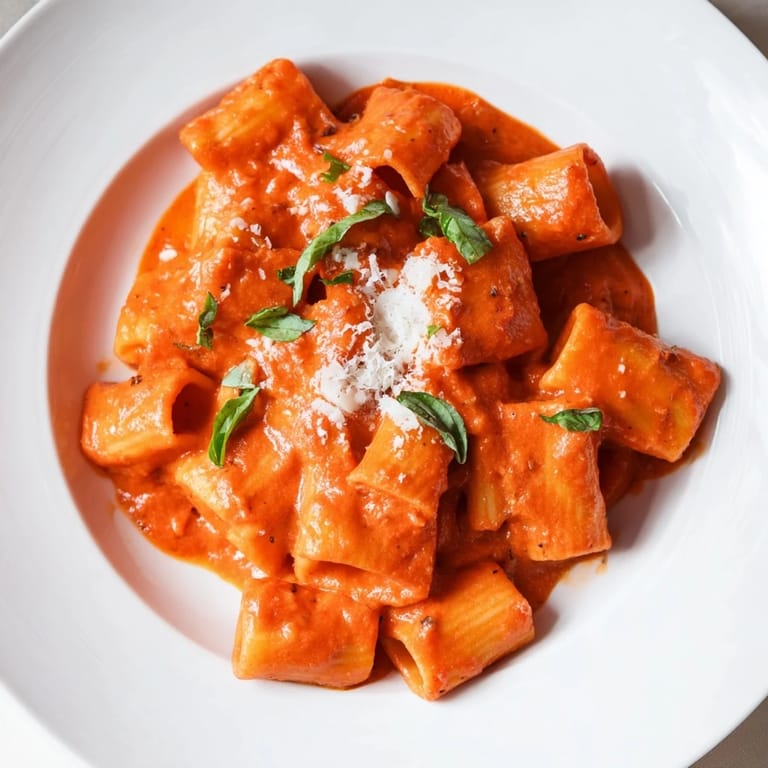
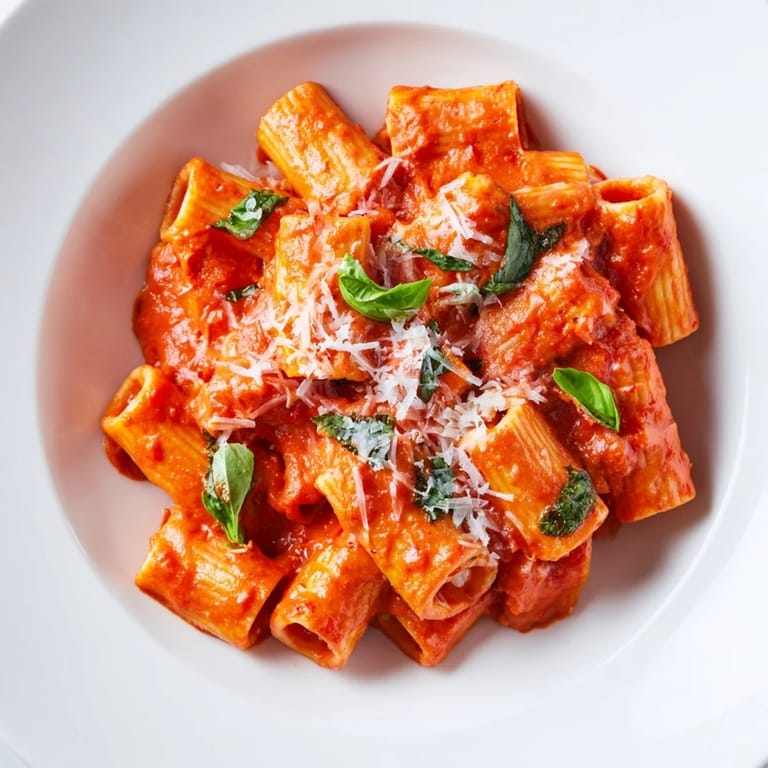
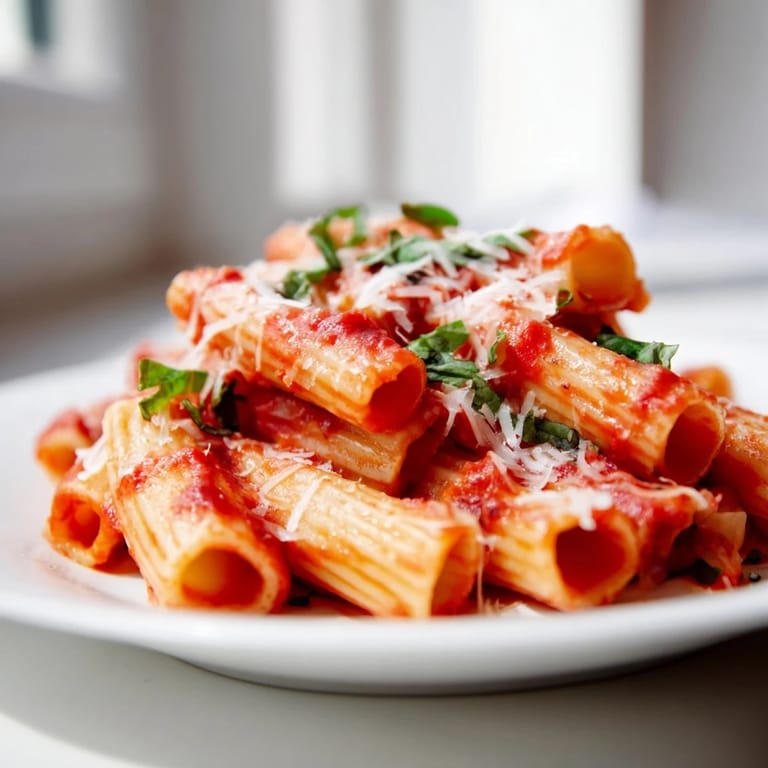
Save The kitchen smelled like garlic and heat, and I was standing there with a wooden spoon, watching the sauce bubble and wondering if I'd gone too far with the pepper flakes. My roommate had challenged me to make something that actually had flavor, something that wasn't bland, and I took it personally. That night, with a box of rigatoni and a jar of crushed tomatoes, I learned that a little cream can tame fire without putting it out completely. The pasta clung to every ridge of the rigatoni, and we ate it straight from the skillet, too impatient to bother with bowls.
I made this for my sister once when she came over unannounced, hungry and tired from a long day. She sat at the counter, watching me chop onions and stir the pot, and by the time I plated it, she was already reaching for a fork. She said it tasted like comfort with a pulse, which I think might be the best compliment I've ever gotten in the kitchen. We finished the whole batch and talked until midnight.
Ingredients
- Rigatoni pasta: The tube shape and ridges are perfect for catching all that creamy sauce, so don't swap it out unless you really have to.
- Olive oil: Use a good quality one because it's the base of your flavor, the first thing that hits the pan and sets the tone.
- Yellow onion: Finely chopped so it melts into the sauce and adds sweetness without chunks getting in the way.
- Garlic: Fresh is non-negotiable here, jarred garlic just doesn't have that sharp, aromatic punch you need.
- Crushed red pepper flakes: Start with a teaspoon and taste as you go, because heat is personal and you can always add more.
- Tomato paste: This concentrates the tomato flavor and adds depth, especially when you let it caramelize a bit in the pan.
- Canned crushed tomatoes: A 14 oz can is your sauce backbone, providing body and that classic tomato richness.
- Heavy cream: This is what turns a spicy tomato sauce into something luscious and balanced, smoothing out the edges.
- Parmesan cheese: Freshly grated melts into the sauce and adds a salty, nutty finish that powdered stuff just can't touch.
- Fresh basil: Torn or chopped right before serving, it brings brightness and a little herbal coolness to each bite.
Tired of Takeout? 🥡
Get 10 meals you can make faster than delivery arrives. Seriously.
One email. No spam. Unsubscribe anytime.
Instructions
- Boil the pasta:
- Fill a large pot with water, salt it generously so it tastes like the sea, and bring it to a rolling boil before adding the rigatoni. Cook it until it's al dente, with a slight bite in the center, and don't forget to scoop out half a cup of that starchy pasta water before you drain.
- Sauté the aromatics:
- Heat the olive oil in a large skillet over medium heat, then add the chopped onion and let it soften for a few minutes until it's translucent and sweet-smelling. Toss in the garlic and red pepper flakes, stirring constantly so the garlic doesn't burn, and let that fragrance fill your kitchen.
- Build the tomato base:
- Stir in the tomato paste and let it cook for a couple of minutes, watching it darken slightly and turn almost rust-colored. Pour in the crushed tomatoes, reduce the heat to a gentle simmer, and let the sauce thicken and concentrate for about 8 to 10 minutes, stirring now and then.
- Make it creamy:
- Lower the heat and stir in the heavy cream and Parmesan, watching the sauce transform into something silky and rich. Season with salt and pepper, taste it, and adjust until it feels just right.
- Toss and serve:
- Add the drained rigatoni directly into the skillet and toss everything together, letting the pasta soak up the sauce. If it looks too thick, add a splash of that reserved pasta water until it coats every piece beautifully, then serve it hot with fresh basil and extra cheese on top.
 Save
Save There was this one evening when I made this for a small dinner party, and everyone went quiet after the first bite. Not awkward quiet, but the kind where people are too busy eating to talk. Someone finally said it tasted like the kind of pasta you'd get at a little restaurant tucked away on a side street, and I felt like I'd won something. Food does that sometimes, it stops time for a minute and makes people feel taken care of.
Adjusting the Heat
If you're nervous about spice, start with half a teaspoon of red pepper flakes and taste the sauce before adding more. You can always stir in extra at the end, but you can't take it back once it's in there. I've learned that some people think mild is boring and others think a teaspoon is already pushing it, so know your audience. The cream does a lot of the work in mellowing things out, so trust that balance.
Making It Heartier
If you want to add protein, crispy pancetta or crumbled Italian sausage works beautifully here. Cook it in the skillet first, let it render its fat, then remove it and sauté your onions in that flavorful base. Stir the meat back in when you add the pasta, and suddenly you've got a dish that feels even more substantial. It's not necessary, but it does turn this into something that sticks with you a little longer.
Storing and Reheating
Leftovers keep well in the fridge for up to three days, and honestly, the flavors get even better as they sit. When you reheat it, add a splash of water or cream to loosen the sauce back up, because pasta always soaks up moisture as it sits. I usually reheat it gently in a skillet rather than the microwave, stirring constantly so it doesn't dry out or clump together.
- Store in an airtight container to keep the sauce from drying out or absorbing other fridge smells.
- Reheat on the stovetop over low heat with a little liquid to bring it back to life.
- If you're making it ahead, undercook the pasta slightly so it doesn't get mushy when you reheat.
 Save
Save This dish has become my go-to when I want something fast but don't want to compromise on flavor. It's the kind of recipe that makes you look like you tried harder than you did, and I mean that in the best way possible.
Recipe Q&A
- → Can I adjust the spice level?
Yes, the red pepper flakes are fully adjustable. Start with ½ teaspoon if you prefer milder heat, or increase to 1½ teaspoons for a spicier kick. You can also adjust during cooking to taste.
- → What pasta alternatives work well?
Penne and ziti are excellent substitutes for rigatoni. Both have similar tube shapes that catch the creamy sauce beautifully. Farfalle or fusilli also work if you prefer different textures.
- → How do I make this non-vegetarian?
Sauté diced pancetta or crumbled Italian sausage with the onions before adding garlic. Cook until browned, then proceed with the sauce. This adds rich, savory depth to the dish.
- → Can I make this ahead?
The sauce can be prepared several hours in advance and reheated gently. Cook the pasta fresh just before serving to maintain its ideal texture. Combine them immediately after cooking for best results.
- → What wine pairs with this dish?
A crisp white wine like Pinot Grigio complements the creamy, spicy flavors beautifully. The acidity cuts through the richness while the subtle fruit notes enhance the tomato base.
- → Why reserve pasta water?
Pasta water contains starch that helps emulsify and thicken the sauce naturally. It also helps achieve the perfect creamy consistency without adding extra cream or oil.