 Save
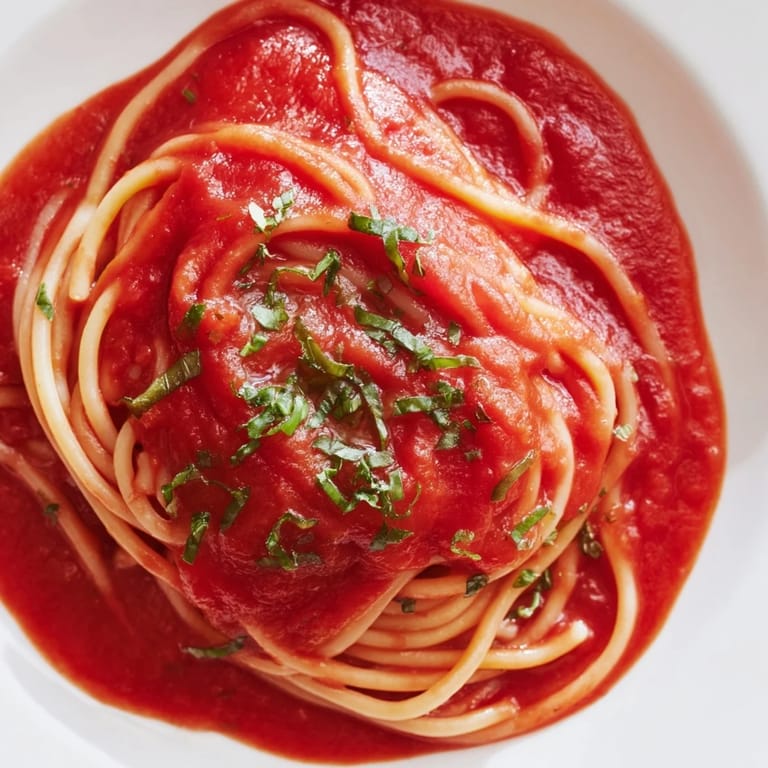
Save There's something quietly magical about turning a pile of vegetables into a sauce so silky it coats pasta like liquid velvet. I discovered this version one rushed weeknight when I had a fridge full of half-used vegetables and a craving for something that felt both comforting and actually good for me. What started as an attempt to use up scraps became my go-to sauce—the kind that makes people ask what restaurant you ordered from, except you spent thirty minutes and a handful of ingredients in your own kitchen.
I made this for my sister once when she was stressed about meal planning, and watching her taste it—then immediately ask for the recipe—reminded me that the best dishes are the ones that slip quietly into your life and become essential. She now makes it every Sunday and says it's saved her from countless takeout orders.
Ingredients
- Carrot: Adds natural sweetness that balances the acidity of tomatoes without needing excessive sugar.
- Zucchini: Blends into silken smoothness and boosts volume without overwhelming the flavor.
- Bell pepper: Red or orange varieties are sweeter than green and create that vibrant color that makes people think you've been cooking all day.
- Onion: The foundation—it practically dissolves into the sauce and builds depth.
- Garlic: Don't skip the minute of sautéing after adding it; that's when the magic happens.
- Celery stalk: A quiet hero that adds subtle vegetal complexity most people can't identify but definitely taste.
- Crushed tomatoes: Buy good ones if you can; it's where most of your flavor comes from.
- Tomato paste: Concentrated tomato intensity that makes the sauce taste like it simmered for hours.
- Olive oil: Start with what tastes good to you—it matters more here than you'd think.
- Oregano and basil: Dried versions work perfectly; fresh basil is your finishing touch that makes it feel restaurant-quality.
- Salt, pepper, and optional sugar: The sugar is genuinely optional, but a half teaspoon can transform an acidic sauce into something perfectly balanced.
- Red pepper flakes: For anyone who likes their food to talk back a little.
Tired of Takeout? 🥡
Get 10 meals you can make faster than delivery arrives. Seriously.
One email. No spam. Unsubscribe anytime.
Instructions
- Get your vegetables ready and warm the oil:
- Chop everything into similar-sized pieces so they soften evenly. Heat the olive oil until it shimmers—you'll know it's ready when a piece of onion sizzles immediately.
- Sauté the harder vegetables first:
- The onion, carrot, and celery go in first because they need those full eight to ten minutes to become tender enough to eventually disappear into smoothness. You're looking for them to soften and start releasing their sweetness into the oil.
- Add garlic and tomato paste:
- After the vegetables are soft, add minced garlic and let it bloom for exactly one minute—any longer and it tastes bitter. The tomato paste goes in next and should caramelize slightly against the pan.
- Build the sauce base:
- Pour in the tomatoes, add your seasonings, and bring everything to a gentle simmer. The sugar here is entirely optional but genuinely transformative if your tomatoes are acidic.
- Let it simmer covered:
- Twenty to twenty-five minutes is where the vegetables finish breaking down completely and all the flavors marry together. Stir occasionally and breathe in—that smell means it's working.
- Purée until completely smooth:
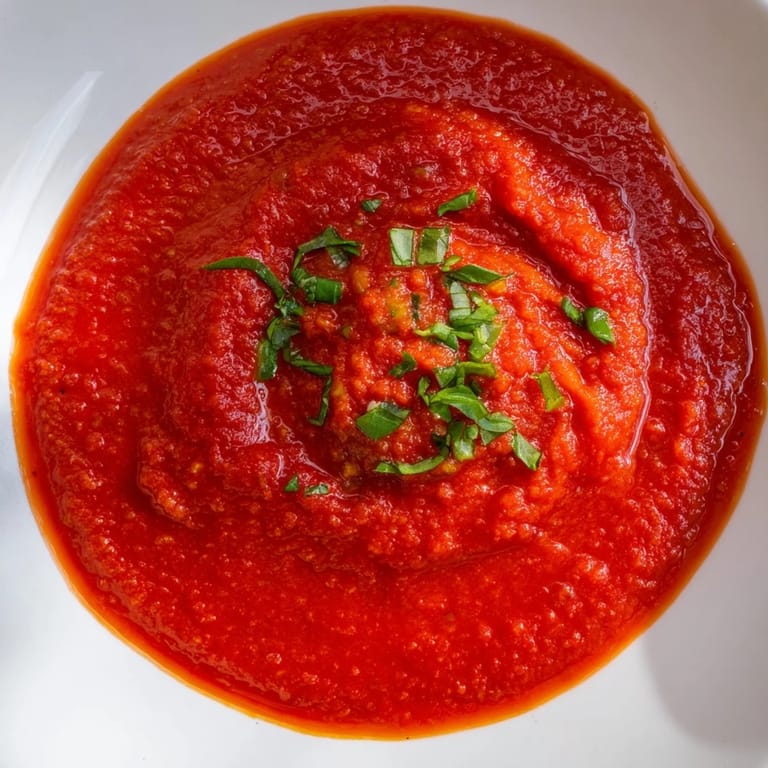
- This is the step that transforms chunky vegetable sauce into something refined. An immersion blender is easiest, but a regular blender works too—just do it in batches and be careful with hot liquid.
- Finish with a final simmer:
- Return to low heat for five to ten minutes uncovered to let any excess moisture cook off and flavors concentrate. Taste and adjust salt and pepper now—this is your last chance.
 Save
Save The first time I served this to someone avoiding processed foods, I watched them relax slightly with each bite, like they'd been looking for something exactly like this. That's when I realized this sauce isn't just convenient—it's genuinely nourishing in a way that feels like care.
When You Want to Stretch It Further
This sauce is a canvas. Stir in cooked lentils or white beans after blending and you've got something heartier that turns pasta into an actual meal. A handful of spinach added with the other vegetables increases nutrition without changing the flavor. Even small broccoli florets disappear into the smooth texture while adding another layer of goodness.
Making It Ahead and Storage
This sauce genuinely improves slightly as flavors meld over a day or two in the refrigerator. It freezes beautifully for up to three months, which means making a double batch on Sunday can solve Wednesday's dinner problem. I freeze mine in ice cube trays so I can thaw exactly the amount I need instead of managing an overstuffed container.
Sauce Pairing and Final Thoughts
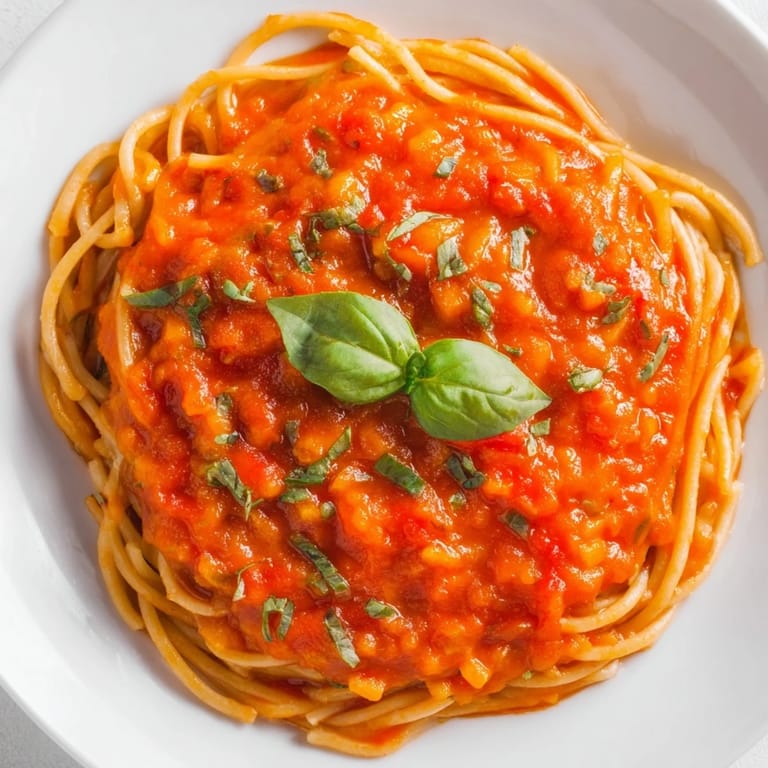
Whole-wheat pasta or gluten-free versions pair beautifully here if you're thinking about nutrition and fiber. The sauce is flexible enough to work over zucchini noodles or rice if you want something different, though traditional pasta is where it truly shines.
- Fresh basil sprinkled on top at the very end feels like a small luxury that costs nothing.
- A pinch of red pepper flakes transforms this from comforting to exciting depending on your mood.
- Don't be afraid to taste and adjust seasoning in that final simmer—that's what separates good sauce from sauce people remember.
 Save
Save This is the sauce that makes weeknight cooking feel less like a chore and more like something worth doing. Once you taste how simple and honest it is, you'll find yourself making it constantly.
Recipe Q&A
- → What vegetables are used in the sauce?
The sauce includes carrot, zucchini, bell pepper, onion, celery, and garlic, all puréed into the tomato base.
- → How long should the sauce simmer?
Simmer the sauce uncovered for 20–25 minutes until the vegetables are tender, then blend and simmer an additional 5–10 minutes.
- → Can I add heat to the sauce?
Yes, a pinch of red pepper flakes can be added during cooking for a subtle spicy kick.
- → What herbs pair best with the sauce?
Dried oregano and basil are used in the sauce, with fresh basil suggested for garnish to enhance flavor.
- → Is this sauce suitable for special diets?
Yes, it's vegetarian, vegan, nut-free, and free from common allergens as prepared.
- → How can I thicken the sauce?
After blending, simmering uncovered allows excess liquid to evaporate, naturally thickening the sauce.