 Save
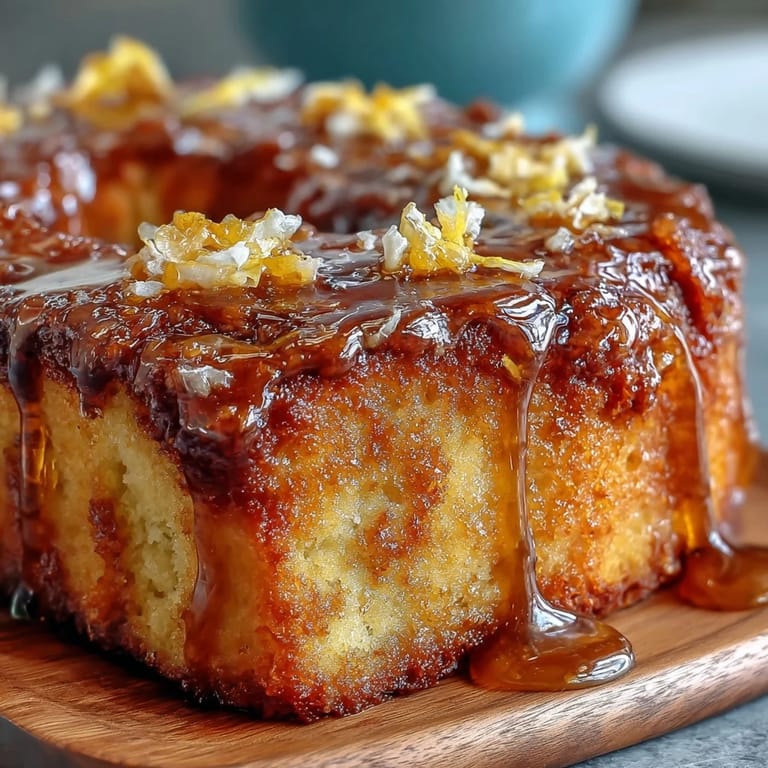
Save My neighbor handed me a jar of dandelion honey last spring with no explanation, just a knowing smile. I stood in my kitchen holding it up to the light, watching it glow amber-gold, completely unsure what to do with something so delicate and floral. That afternoon, I decided to bake, and somehow this cake emerged—moist, tender, with a brightness that made the whole kitchen smell like a meadow in May. It's become my favorite way to use that precious honey, and now I make it whenever I want to capture that exact feeling of spring arriving.
I brought this to a small garden party last June, nervous about serving something so unconventional, and watched a woman take one bite, close her eyes, and ask for the recipe before finishing the slice. That moment taught me that food doesn't need to be fussy or complicated to feel special—it just needs to taste like you cared enough to try something different.
Ingredients
- All-purpose flour (2 cups): The foundation that keeps this cake tender; measure by spooning into your cup and leveling off, never scooping directly from the bag.
- Baking powder and baking soda (1 1/2 tsp and 1/2 tsp): These work together to give the cake a gentle rise without making it dense or rubbery.
- Sea salt (1/2 tsp): A small pinch that makes the honey and lemon sing instead of fade into the background.
- Unsalted butter (1/2 cup): Room temperature is non-negotiable here—cold butter won't cream properly and you'll lose that light, fluffy texture.
- Dandelion honey (1/2 cup): If you can't find it, regular honey works, but the dandelion variety has a delicate floral complexity that makes this cake worth making in the first place.
- Granulated sugar (1/2 cup): This balances the honey's earthiness and helps the cake rise evenly.
- Eggs (3 large, room temperature): Bring them out of the fridge 15 minutes before baking—they blend more smoothly and create a silkier crumb.
- Pure vanilla extract (1 tsp): Don't skip this or use imitation; it adds depth that ties everything together.
- Whole milk (1/2 cup, room temperature): The warmth helps it incorporate evenly and keeps the batter from seizing.
- Lemon zest and juice (2 tbsp each): The zest carries the brightest lemon flavor; the juice cuts through the sweetness and keeps the cake from feeling heavy.
- Powdered sugar (1 cup, sifted): Sifting removes lumps so your glaze is perfectly smooth and glossy.
- Fresh lemon juice for glaze (2-3 tbsp): Add it slowly because you can always add more, but you can't take it back.
Tired of Takeout? 🥡
Get 10 meals you can make faster than delivery arrives. Seriously.
One email. No spam. Unsubscribe anytime.
Instructions
- Heat and Prepare:
- Preheat your oven to 350°F and ready a 9-inch cake pan with butter and flour, or line it with parchment paper so the cake slides out effortlessly. This moment of preparation matters more than you'd think—a well-prepared pan means nothing sticks and everything bakes evenly.
- Combine the Dry Ingredients:
- Whisk the flour, baking powder, baking soda, and salt together in a medium bowl, making sure everything is evenly distributed. Set it aside and don't second-guess yourself; the whisking is doing the aerating work that will make your cake light.
- Cream Butter and Sweeteners:
- Beat the room-temperature butter, dandelion honey, and sugar together for about three minutes until the mixture looks pale, fluffy, and almost mousse-like. You'll see the transformation happen—that's when you know it's ready.
- Incorporate Eggs One at a Time:
- Add each egg individually, beating well after each one goes in, so they emulsify smoothly into the creamed mixture. This prevents the batter from looking curdled or separated, which would compromise your cake's tender crumb.
- Add Flavorings:
- Stir in the vanilla extract, lemon zest, and lemon juice until everything is evenly distributed and the batter smells bright and floral. The zest will look like tiny yellow freckles throughout—a good sign you're on the right track.
- Alternate Dry and Wet:
- Add the flour mixture and milk in three parts, starting and ending with flour, mixing gently until just combined. This alternating method prevents the batter from becoming tough; stop as soon as you don't see flour streaks anymore.
- Bake Until Golden:
- Pour the batter into your prepared pan, smooth the top with a spatula, and bake for 35 to 40 minutes until a toothpick inserted in the center comes out clean. The kitchen will smell incredible—trust that aroma as much as your timer.
- Cool with Patience:
- Let the cake rest in the pan for 10 minutes so it sets enough to handle, then turn it out onto a wire rack to cool completely before glazing. Rushing this step risks a crumbly cake, so take your time even though waiting is hard.
- Make the Glaze:
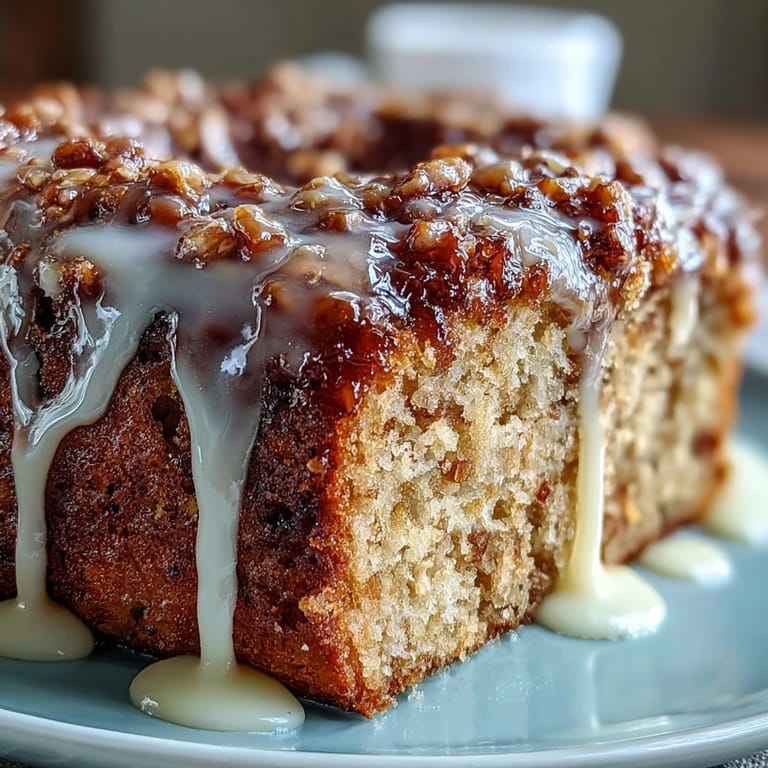
- Whisk together sifted powdered sugar, lemon juice (added gradually), and dandelion honey until smooth and pourable, not too thick and not too thin. The consistency should be like liquid silk that slowly flows across the cooled cake.
- Finish with Glaze:
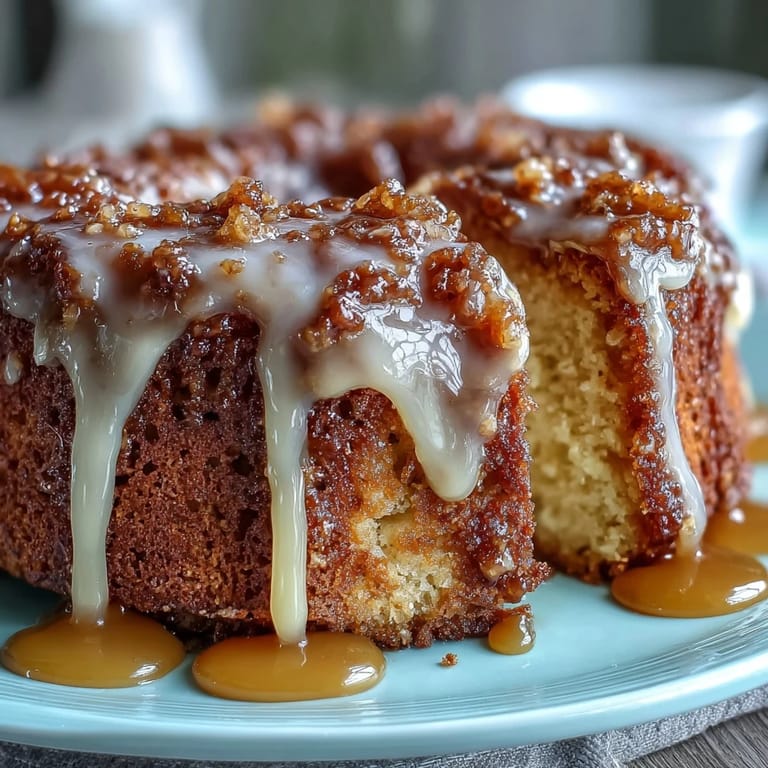
- Drizzle the glaze over the cooled cake in whatever pattern feels right to you, then let it set for 10 to 15 minutes so it firms up slightly. This final touch is what makes the cake look handmade and intentional.
 Save
Save Last spring, my mother took a slice of this cake and actually sat down to eat it instead of rushing through her day—something I'd never seen her do with dessert before. She said it tasted like someone had captured the smell of her grandmother's garden and turned it into something edible, and suddenly I understood why I kept making it.
The Magic of Honey in Baking
Honey adds moisture and a subtle sweetness that regular sugar can't replicate, but it also changes how your cake browns and how long it stays fresh. The dandelion variety is floral without being perfume-like, which is why it works so beautifully paired with lemon. If you can't source dandelion honey, use whatever local honey you can find—supporting a local beekeeper is worth more than chasing a specific variety, and the cake will still be wonderful.
Lemon and Citrus Pairings
The bright, sharp edge of lemon juice cuts through the honey's sweetness and prevents the cake from feeling heavy or cloying. Fresh lemon zest carries the most intense flavor, which is why I always zest lemons before juicing them—the fragrant oils in the zest are where the real brightness lives. This combination is so successful that it's worth seeking out the best lemons you can find, even if it means a trip to the farmers market.
Storage, Serving, and Variations
This cake stays moist and tender for three days in an airtight container at room temperature, which makes it perfect for baking ahead of a gathering or enjoying slices throughout the week. Serve it with herbal tea, especially lavender or chamomile, or pair it with a light floral white wine for something more celebratory. If you want to deepen the dandelion flavor, finely chop fresh unsprayed dandelion petals and fold them into the batter just before baking—about two tablespoons gives a subtle hint without overwhelming the other flavors.
- For an extra touch, dust the finished cake lightly with powdered sugar before serving alongside fresh berries or whipped cream.
- If your glaze is too thick, add lemon juice one drop at a time until you reach the right consistency; too thin and you can whisk in more powdered sugar.
- This cake tastes even better the next day when the flavors have settled and deepened, so don't hesitate to bake it a day ahead.
 Save
Save This cake has a way of making ordinary afternoons feel intentional and a little bit special. Every time someone tastes it, they understand why dandelion honey deserves a place in the kitchen, not just as a pretty jar to admire.
Recipe Q&A
- → What is the role of dandelion honey in the cake?
Dandelion honey imparts a unique floral sweetness and aroma that enhances the cake's flavor profile, making it distinctively fragrant.
- → How does the lemon glaze complement the cake?
The glaze adds a bright, tangy contrast to the rich, sweet cake, balancing flavors and adding moistness to each bite.
- → Can regular honey be used instead of dandelion honey?
Yes, regular honey can substitute dandelion honey, though the unique floral notes may be less pronounced.
- → What is the best way to avoid overmixing the batter?
Fold the flour mixture gently into the wet ingredients in stages, mixing only until combined to keep the cake tender.
- → How should leftovers be stored?
Keep the cake in an airtight container at room temperature to maintain freshness for up to three days.
- → Can the cake be enhanced with additional dandelion flavors?
Adding finely chopped unsprayed dandelion petals to the batter intensifies the floral character for a more pronounced taste.