 Save
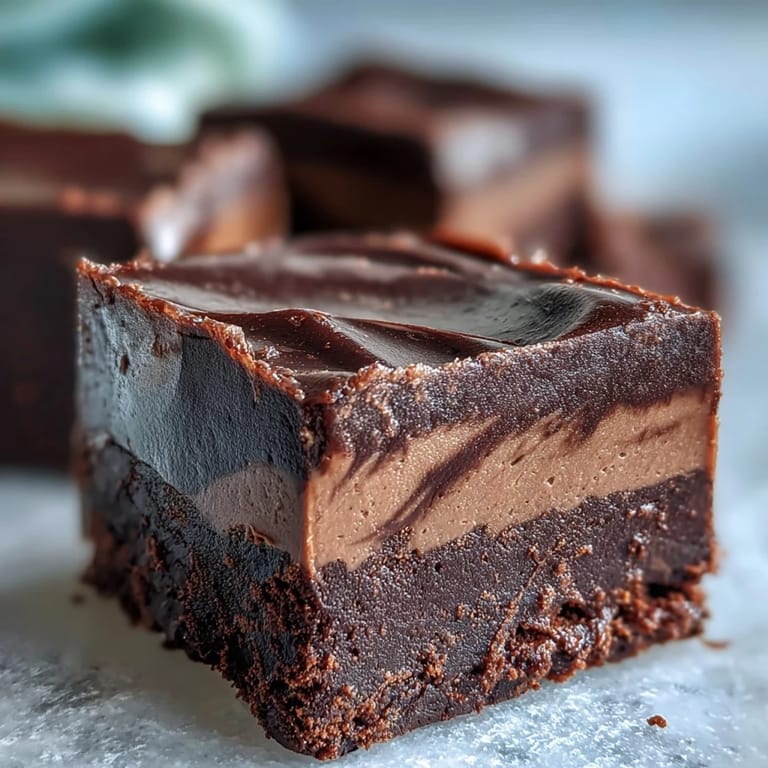
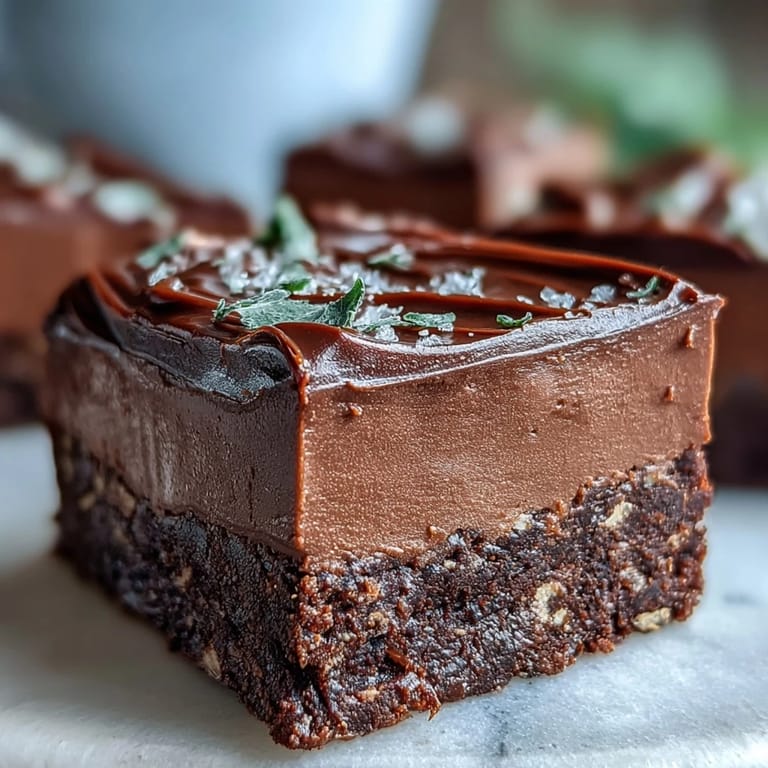
Save My first encounter with hojicha fudge happened on a quiet afternoon in a small Japanese tea shop, where the owner handed me a tiny square wrapped in washi paper with the kind of knowing smile that suggested I was about to understand something about chocolate I'd been missing my whole life. The moment it melted on my tongue, that warm, nutty roasted tea flavor dancing alongside the dark chocolate, I realized I had to recreate this at home. What started as a desperate attempt to reverse-engineer the recipe became my favorite kitchen project, one where the house fills with this toasty, almost caramel-like aroma that makes everyone pause and ask what's cooking.
I made this for my sister's book club last month, and watching everyone go silent after the first bite told me everything I needed to know about whether it was worth the effort. One guest actually asked if I'd bought it from a specialty shop, which felt like winning the lottery in the kitchen. The funny part was when someone asked about the mysterious tea flavor and I got to explain hojicha like I'd just discovered fire, when really I was just lucky enough to taste it once and become obsessed.
Ingredients
- Dark chocolate (200 g, 60–70% cacao), chopped: This is where most of the flavor comes from, so don't skimp on quality or you'll lose that sophisticated edge hojicha brings out in better chocolate.
- Milk chocolate (100 g), chopped: The sweetness softener that keeps the fudge from tasting austere; it also helps create that creamy melt-in-your-mouth texture.
- Unsalted butter (100 g): This carries flavors and creates silkiness, and using unsalted lets you control the salt balance yourself.
- Sweetened condensed milk (1 can, 397 g): The secret ingredient that gives fudge its signature texture and keeps it from turning grainy; it's basically liquid velvet.
- Hojicha powder (2 tbsp): The star of the show with its warm, toasted green tea personality; nothing else tastes quite like it, so this isn't a substitution situation.
- Vanilla extract (1 tsp): A gentle background note that ties the hojicha and chocolate together without announcing itself.
- Salt (pinch): The tiny detail that makes all the flavors snap into focus instead of blending into a sweet blur.
Tired of Takeout? 🥡
Get 10 meals you can make faster than delivery arrives. Seriously.
One email. No spam. Unsubscribe anytime.
Instructions
- Set up your workspace:
- Line your square pan with parchment paper, making sure it overhangs the edges so you can lift the finished fudge out without wrestling with it. This takes 30 seconds and saves you 10 minutes of frustration later.
- Combine your chocolates and butter:
- Chop everything roughly so it melts evenly, then place it all in a heatproof bowl ready for the heat. Having everything measured and prepped means you're not scrambling once things start melting.
- Melt slowly over simmering water:
- This double boiler method keeps the chocolate from burning and keeps it silky instead of grainy. Stir occasionally and be patient; rushing this step is how chocolate gets temperamental and seizes up.
- Add the hojicha and other flavors:
- Once the chocolate mixture is smooth, remove the bowl from heat and stir in the condensed milk, hojicha powder, vanilla, and salt with purpose until everything is fully dissolved and glossy. The mixture should look like dark, shiny silk with no little hojicha specks floating around.
- Transfer to your pan:
- Pour the fudge into the prepared pan and smooth the top with a spatula so it bakes evenly as it sets. A few gentle strokes is all it needs; you're not trying to make it restaurant-perfect, just even.
- Chill until completely set:
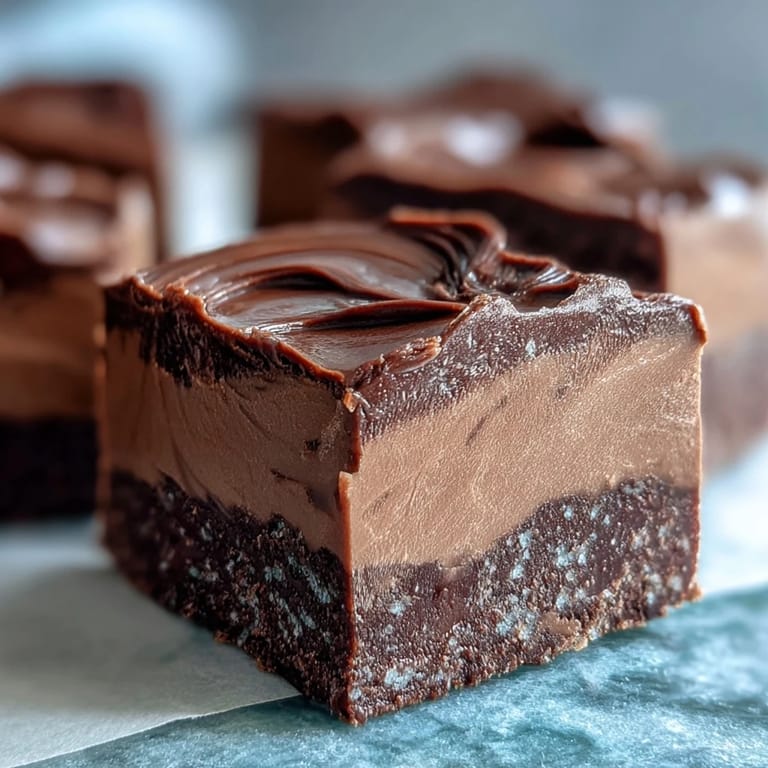
- Two hours minimum in the fridge, though overnight is when it hits its full potential texture-wise. You'll know it's ready when it feels firm but still slightly gives under gentle pressure.
- Cut and store:
- Use a sharp knife dipped in hot water (then wiped clean) for clean cuts, and lift the whole sheet out using the parchment paper overhang. Store in an airtight container in the fridge where it'll keep for a week, though it rarely lasts that long.
 Save
Save There's something almost meditative about making fudge, the way the kitchen fills with chocolate warmth and you're just standing there stirring, watching everything become glossy and unified. My mind always drifts to the people I'll be sharing it with, which somehow makes the actual cooking feel less like a task and more like a small act of care wrapped in parchment paper.
The Hojicha Moment
Hojicha is what happens when someone took green tea and decided it needed to be deeper, more complex, less grassy and more like caramel and chestnuts all at once. When you mix it with chocolate, something magical happens where the roasted tea notes deepen the chocolate instead of fighting it, making the whole thing taste more sophisticated than the sum of its parts. First-timers always react the same way, that pause where they're trying to figure out what makes this fudge different, and that moment is worth every minute of prep.
Adding Texture and Crunch
If you find yourself wanting something with a little more personality, toasted walnuts or almonds folded into the mixture before pouring create tiny pockets of crunch that make each bite feel like an event. I discovered this by accident when I had some leftover nuts and thought why not, and now I can't imagine making it the smooth way anymore. The nuttiness echoes hojicha's own toasted quality, creating this beautiful chorus of warm flavors that feel intentional even though it was basically a happy accident.
Pairing and Serving
This fudge exists in this interesting space where it's fancy enough to impress but approachable enough to eat straight from the container while reading. Serve it with a cup of unsweetened green tea or a light dessert wine and you've created an actual moment instead of just eating candy.
- A small piece with hot tea is the perfect ending to dinner because it's rich enough to satisfy but not so heavy it weighs you down.
- Package them in pairs wrapped individually in parchment for gifts that feel thoughtful without being over the top.
- Keep them in the coldest part of your fridge during warm months so they don't get soft and lose their structure.
 Save
Save Making hojicha fudge has become my answer to the question of how to make someone's day a little better with your hands. The recipe is simple enough that anyone can do it, yet it tastes like you've been practicing for years.
Recipe Q&A
- → What does hojicha taste like in chocolate?
Hojicha brings a roasted, nutty profile with subtle earthy notes that complement dark chocolate beautifully. Unlike grassy matcha, hojicha's warm, toasty character creates a sophisticated flavor pairing.
- → Can I substitute hojicha powder?
Matcha isn't recommended as it creates a grassy, bitter taste. Stick with hojicha for its unique roasted profile. If unavailable, consider other roasted tea powders with similar flavor characteristics.
- → How long does the fudge need to set?
Refrigerate for at least 2 hours until completely firm. For easiest cutting, let it chill longer—overnight is ideal. The fudge should be solid but still creamy when bitten.
- → What's the best way to store this?
Keep in an airtight container in the refrigerator for up to one week. The chilled texture enhances the fudge's density. Bring to room temperature briefly before serving for the softest consistency.
- → Can I make this dairy-free?
Traditional condensed milk is essential for the proper texture. Dairy-free alternatives don't set the same way and may result in a softer, less structured final product.
- → Why use a double boiler method?
Gentle, indirect heat prevents chocolate from seizing or developing grainy texture. This approach ensures smooth, glossy fudge that sets properly without any lumps or separated cocoa butter.