 Save
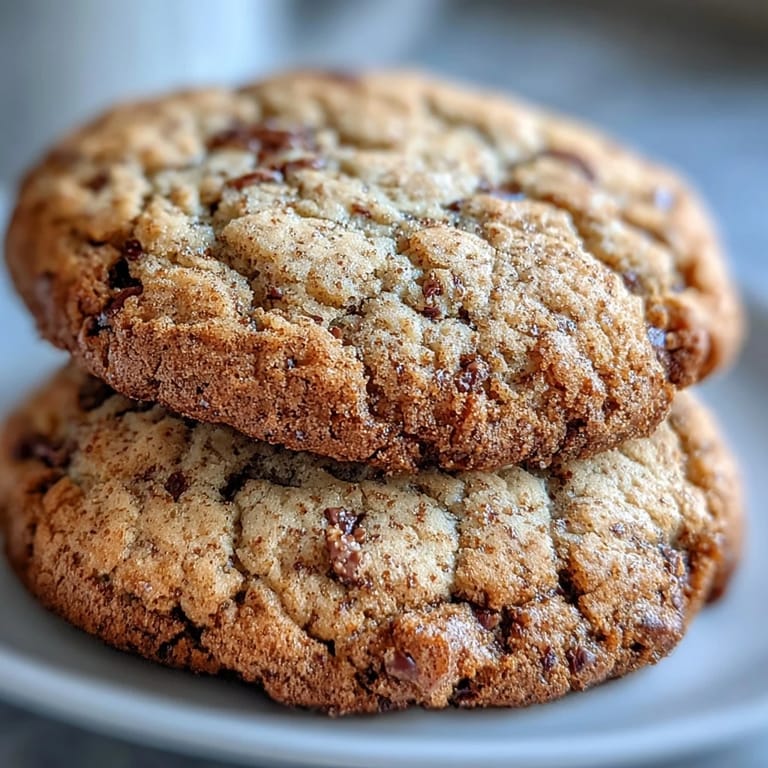
Save A friend once handed me a tin of hojicha powder at a farmers market, insisting I'd love what it could do beyond the usual tea ceremony. I was skeptical at first—roasted green tea in cookies sounded oddly specific—but the moment I creamed the butter and sugar, that earthy, almost smoky aroma started calling to me. These delicate, buttery cookies emerged from the oven with the most unexpected depth, turning what could have been just another vanilla shortbread into something that people keep asking about.
I baked a batch for a coworker's birthday last winter, and she brought the empty tin back three days later with a note asking for the recipe. What struck me most wasn't the compliment—it was watching her describe the flavor to someone else, how she paused and said, "It tastes like autumn in a cookie." That's when I knew these weren't just another dessert; they'd become the thing people remember.
Ingredients
- All-purpose flour (1 1/2 cups): The foundation that keeps these cookies tender rather than cake-like; don't sift unless your flour is particularly dense.
- Hojicha powder (2 tablespoons): This roasted green tea is where the magic lives—it's nuttier and less grassy than regular matcha, with a subtle smokiness that makes people lean in for another bite.
- Baking soda (1/2 teaspoon): Just enough to give these cookies a gentle spread and those delicate, crispy edges.
- Fine sea salt (1/4 teaspoon): A small pinch that makes the hojicha flavor sing without tasting salty.
- Unsalted butter (1/2 cup): Softened to room temperature so it creams smoothly; cold butter fights you the whole way.
- Granulated sugar (3/4 cup): The sweetness that balances the earthiness of the hojicha perfectly.
- Large egg (1): Brings structure and helps everything come together as dough.
- Pure vanilla extract (1 teaspoon): A quiet note that doesn't compete with the hojicha but makes it feel complete.
Tired of Takeout? 🥡
Get 10 meals you can make faster than delivery arrives. Seriously.
One email. No spam. Unsubscribe anytime.
Instructions
- Heat your oven and prep your space:
- Set the oven to 350°F and line a baking sheet with parchment paper—this gives you time to focus on the dough without rushing.
- Combine the dry team:
- In a medium bowl, whisk the flour, hojicha powder, baking soda, and salt together until the hojicha color is evenly distributed throughout; you're looking for a subtle tan-brown mixture with no clumps.
- Cream butter and sugar until they're light:
- In a large bowl, beat the softened butter and sugar for about 2 to 3 minutes until the mixture looks fluffy and pale, almost like whipped clouds; this incorporates tiny air pockets that make cookies tender.
- Bring in the egg and vanilla:
- Add the egg and vanilla extract and beat until everything is combined and the mixture looks glossy and smooth.
- Marry wet and dry gently:
- Add the dry ingredients to the wet mixture, stirring just until the flour disappears—overworking activates gluten, which makes cookies tough instead of tender. Stop as soon as you see no white streaks.
- Portion onto the sheet:
- Scoop tablespoon-sized portions of dough and space them about 2 inches apart; they'll spread a little, so don't crowd them.
- Bake until the edges catch a light golden color:
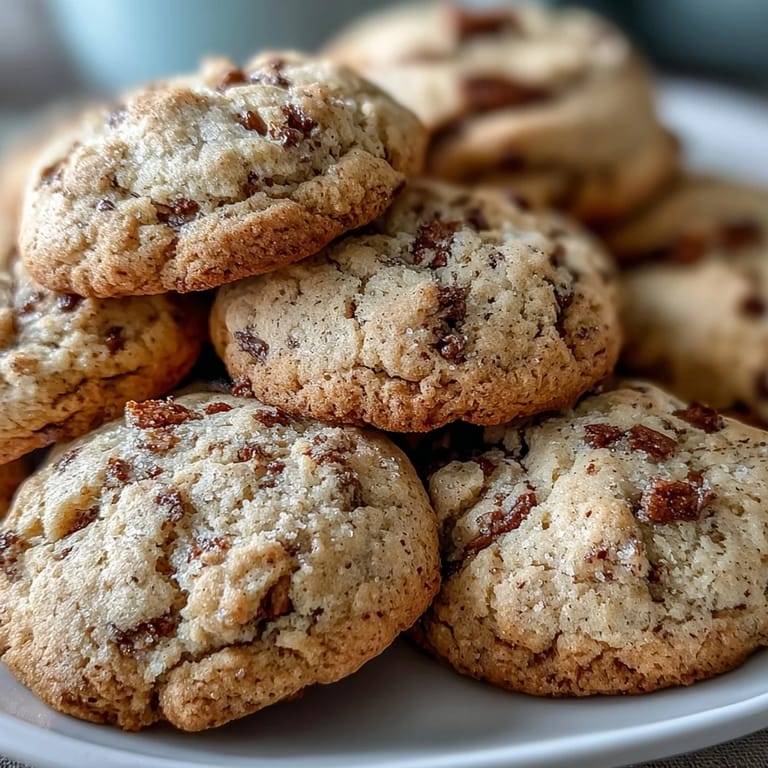
- Bake for 10 to 12 minutes, watching for when the outer rings turn just barely golden while the centers still look slightly underbaked. They firm up as they cool, and overbaking loses that delicate texture.
- Cool with patience:
- Let the cookies rest on the baking sheet for 5 minutes—this sets them without cracking—then transfer to a wire rack to cool completely.
 Save
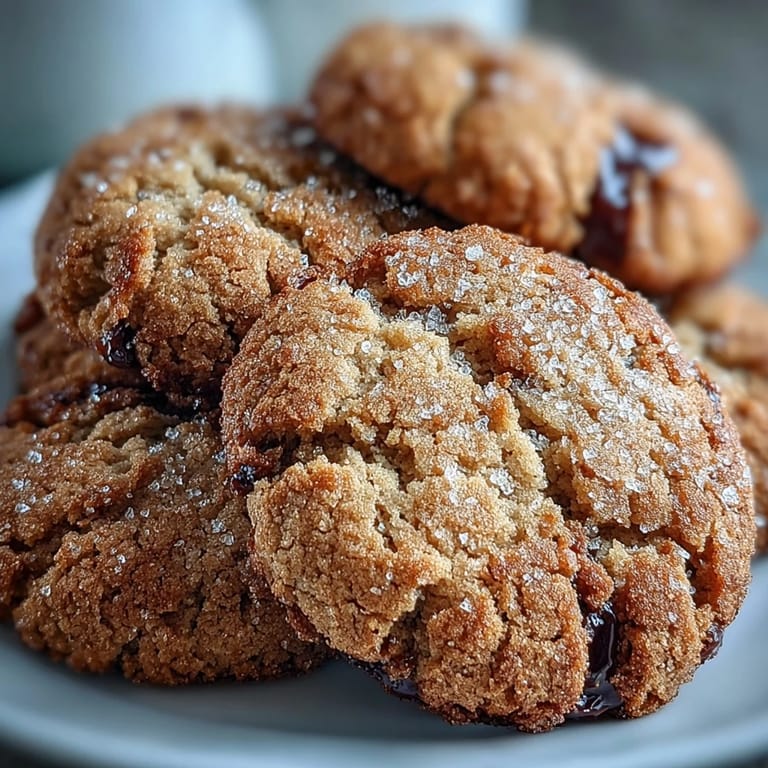
Save There's something quietly magical about how a single ingredient can shift an entire recipe's identity. These cookies taught me that Japanese flavor wasn't something to be nervous about; it was an invitation to think differently about what cookies could be.
Adjusting the Hojicha Intensity
If 2 tablespoons feels subtle on your palate, you can push up to 3 tablespoons for a deeper, more pronounced roasted tea flavor. The hojicha won't overpower the butter or vanilla; instead, it becomes the star of the show while everything else supports it. Just remember that more powder means slightly drier dough, so work quickly when mixing.
Optional Mix-Ins That Actually Work
White chocolate chips fold beautifully into this dough, their sweetness playing off the savory notes of hojicha like a dessert pairing. Chopped pistachios or toasted hazelnuts add a textural surprise that keeps each bite interesting. Even a small handful of unsalted sesame seeds stirred in brings an unexpected earthiness that feels at home with the tea.
- Fold any additions in gently after the dry ingredients are combined to avoid overworking the dough.
- If using white chocolate, chop it into small pieces so it melts slightly instead of creating hard chunks.
- Nuts should be toasted and cooled before mixing to deepen their flavor alongside the hojicha.
Storage and Keeping
These cookies stay crisp and flavorful in an airtight container at room temperature for up to 4 days, though they rarely last that long. If they soften over time, a brief 5-minute warm-up in a low oven brings back the texture. For longer storage, you can refrigerate the unbaked dough for up to 3 days or freeze it in portions and bake fresh whenever the craving hits.
 Save
Save These hojicha cookies became my go-to gift for people who think they don't like tea, only to discover they've been missing something all along. Share them warm if you can; they're almost impossible to resist.
Recipe Q&A
- → What does hojicha taste like in cookies?
Hojicha adds a distinctive nutty, smoky flavor with subtle earthy undertones. The roasted green tea creates a warm, toasty profile that pairs beautifully with butter and sugar, resulting in cookies that taste more complex than traditional varieties.
- → Can I substitute matcha powder for hojicha?
While possible, the flavor profile will change significantly. Matcha is vibrant and grassy, while hojicha offers a mellow, roasted character. If substituting, expect a brighter, more vegetal taste rather than the deep, toasty notes that make these cookies special.
- → How should I store these cookies?
Keep them in an airtight container at room temperature for up to 4 days. The buttery base helps maintain softness, and the hojicha flavor actually develops slightly over time. For longer storage, freeze the dough balls and bake fresh whenever you crave them.
- → Why did my cookies turn out hard?
Overmixing the dough or overbaking are common culprits. Mix just until the dry ingredients disappear—overworking develops gluten, creating toughness. Also, remove cookies from the oven when edges are lightly golden; they continue cooking on the hot sheet for those crucial 5 minutes.
- → Can I add mix-ins like chocolate or nuts?
Absolutely. White chocolate complements the smoky hojicha beautifully, adding creamy sweetness. Chopped pecans, walnuts, or macadamia nuts enhance the nutty notes. Fold in about 1 cup of additions after combining the dough to avoid overmixing.