 Save
Save There's something about the smell of lemon zest hitting a warm mixing bowl that instantly lifts your mood, even on the grayest afternoon. My neighbor brought over a carrier bag of homegrown lemons one spring, so many that I had to find something to do with them before they went soft. This loaf cake became my answer, and now I make it whenever I need to turn ordinary butter and eggs into something that tastes like sunshine. It's the kind of cake that disappears faster than you'd expect, with that perfect balance between tender crumb and a sharp, sweet glaze that makes your mouth water.
I'll never forget making this for my sister's book club—I'd assumed they'd politely have a slice and move on, but three women circled back to the kitchen asking for the recipe. One of them admitted she'd been searching for a lemon loaf that wasn't cloyingly sweet, and this one hit the mark. That moment taught me that sometimes the simplest, most honest recipes are the ones people actually want to make at home.
Ingredients
- Unsalted butter, softened (200 g): Softened butter creams more evenly with sugar, creating that light, fluffy base that keeps the cake tender rather than dense.
- Caster sugar (200 g): Finer than regular sugar, it dissolves faster and gives a silkier texture than using granulated.
- Large eggs at room temperature (3): Room temperature eggs blend seamlessly into the batter and help trap air, making the cake rise properly.
- Finely grated lemon zest (1 tbsp from 2 lemons): The zest holds all the aromatic oils that give the cake its character—never skip this step or use the bottled stuff.
- Self-raising flour (200 g): Already has baking agents built in, which simplifies the process and ensures consistent rise.
- Baking powder (1/2 tsp): A little extra lift to keep the cake from becoming heavy.
- Salt (1/4 tsp): A pinch amplifies the lemon flavor without tasting salty, almost like a secret ingredient.
- Whole milk (3 tbsp): Loosens the batter to the right consistency without making it wet or greasy.
- Freshly squeezed lemon juice (2 tbsp): Fresh juice gives a cleaner, sharper flavor than anything bottled.
- Icing sugar for the drizzle (80 g): Creates a smooth, pourable glaze that sets slightly and clings to the warm cake.
- Freshly squeezed lemon juice for the glaze (3 tbsp): This is where you get that signature tang that makes people close their eyes when they taste it.
Tired of Takeout? 🥡
Get 10 meals you can make faster than delivery arrives. Seriously.
One email. No spam. Unsubscribe anytime.
Instructions
- Heat your oven and prepare:
- Set your oven to 180°C (350°F) and line a 900g loaf tin with baking parchment—this prevents sticking and makes turning out the cake infinitely easier. Butter the sides too, just to be safe.
- Cream the butter and sugar:
- Beat the softened butter and caster sugar together for about 3 minutes until it looks pale, fluffy, and almost mousse-like. This is where the magic starts—you're trapping tiny air bubbles that will give your cake its tender crumb.
- Add the eggs gently:
- Add each egg one at a time, beating well after each addition so everything stays emulsified and smooth. If the mixture looks slightly curdled, don't panic—a splash of flour mixed in will bring it back together.
- Stir in the lemon zest:
- Mix the finely grated zest right into the creamed mixture so the oils distribute evenly throughout. You'll smell it immediately—that fresh, piney, bright lemon aroma that means you're on the right track.
- Fold in the dry ingredients:
- Sift the flour, baking powder, and salt over the top, then fold gently with a spatula using as few strokes as possible. Overworking makes the cake tough, so stop as soon as you don't see white flour streaks.
- Add milk and lemon juice:
- Pour in the milk and lemon juice, folding until the batter is smooth and just combined. The lemon juice will make the batter slightly thinner, which is exactly what you want.
- Pour and bake:
- Transfer the batter to your prepared tin and smooth the top with a spatula so it bakes evenly. Bake for 45–50 minutes until a skewer inserted in the center comes out clean—a few moist crumbs are fine, but no wet batter.
- Make the glaze while it bakes:
- While the cake is in the oven, whisk together the icing sugar and lemon juice until you get a consistency that drizzles easily—thick enough to cling to the cake but thin enough to soak in. Taste it; it should be quite tangy.
- Glaze while warm:
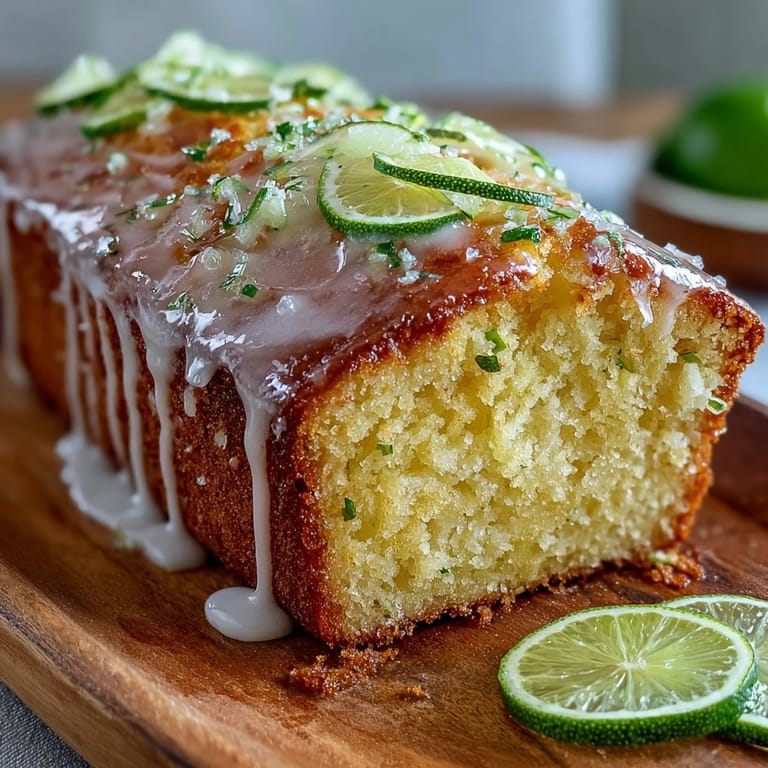
- Remove the cake from the oven and let it sit in the tin for 10 minutes so it's still warm but not burning hot. Using a skewer, poke holes all over the top—this lets the glaze soak in and creates pockets of intense flavor throughout.
- Cool completely:
- Slowly drizzle the lemon glaze over the warm cake, watching it seep into the holes you've made. Leave it in the tin until completely cool, then carefully turn it out onto a wire rack.
 Save
Save What strikes me most is how a cake this bright and cheerful has become something people request on difficult days—there's comfort in its simplicity and joy in its flavor. It reminds me that the best recipes are the ones you can make on autopilot, leaving your mind free to enjoy who you're baking for.
Why This Cake Stands Out
Most lemon cakes either lean too sweet or taste like you're eating pure tartness, but this one finds the balance through technique rather than recipe tweaking. The self-raising flour keeps things light without requiring extra eggs, and the milk creates a tender crumb that holds up to the glaze without becoming soggy. I've made dense lemon loaves and overly fluffy ones, and this method has been the most forgiving.
Timing and Temperature Matter
Room temperature eggs aren't just a suggestion—they actually blend into the batter more smoothly, which prevents lumps and ensures even crumb. The oven temperature should be accurate too; if it runs hot, your cake might brown too quickly on top before the center cooks through. I learned this the hard way and now use an oven thermometer to check before baking anything precious.
Ways to Make It Your Own
The beauty of this loaf is how adaptable it is without losing its soul, so feel free to experiment once you've nailed the basic version. A handful of poppy seeds adds subtle texture and looks lovely flecked through the crumb, and I've experimented with swapping half the lemon juice in the glaze for limoncello on occasions when I wanted something a bit more sophisticated. Serve it with fresh berries and whipped cream for a simple dessert, or just with tea as an afternoon treat—it doesn't need much.
- Toast a few poppy seeds in a dry pan before stirring into the batter for extra nuttiness and visual interest.
- Zest your lemons before juicing them—it's easier that way, and you'll capture every bit of that precious fragrant oil.
- Store the cooled cake wrapped in foil at room temperature for up to 3 days, and it actually tastes better the next day once the flavors have settled.
 Save
Save This cake has a way of becoming a staple once you've made it, partly because it's easy enough to repeat often and partly because people ask for it. There's real magic in something so straightforward that tastes this good.
Recipe Q&A
- → How do I get the loaf moist and tender?
Using softened butter and eggs at room temperature helps create a smooth batter, while carefully folding in flour retains air for a tender crumb.
- → What’s the best way to add the lemon glaze?
While the loaf is still warm, poke holes on top with a skewer and slowly drizzle the lemon glaze to soak in for maximum flavor.
- → Can I add any extra ingredients for texture?
Yes, a handful of poppy seeds stirred into the batter adds a pleasant crunch and subtle nutty flavor.
- → Is it possible to make the glaze more adult-friendly?
Replacing half the lemon juice in the glaze with limoncello offers a sophisticated twist with a mild alcoholic note.
- → How should I store the loaf after baking?
Keep it covered at room temperature to maintain moisture, or refrigerate it wrapped tightly if consuming after several days.