 Save
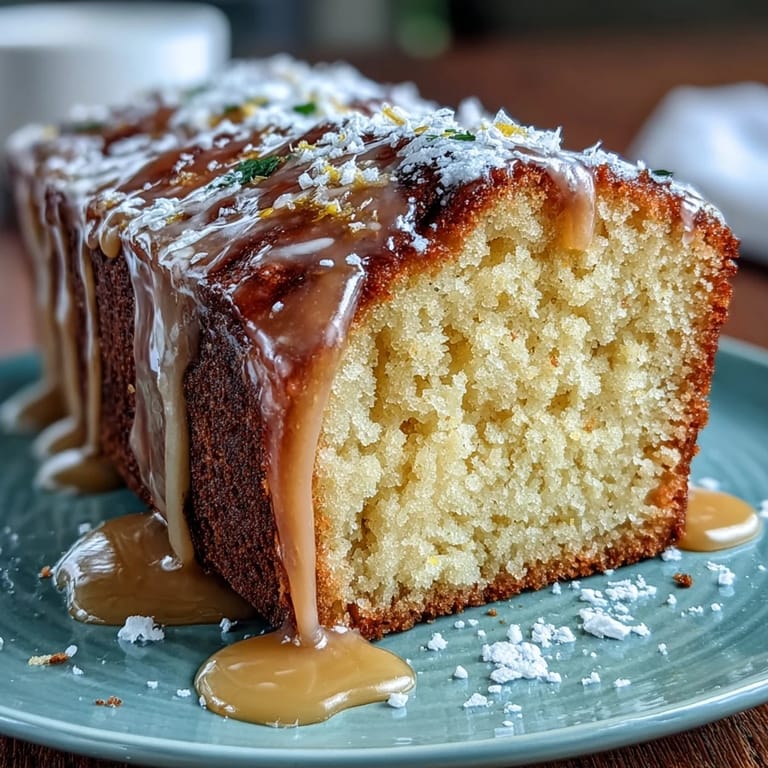
Save There's something about the smell of Limoncello that stops me mid-conversation—it's bright, almost sharp, like someone opened a window to the Amalfi Coast right there in my kitchen. The first time I made this cake was on a whim after finding a dusty bottle of Limoncello at the back of a friend's liquor cabinet during a spring dinner party. She joked that it was a wedding gift from 2015 and probably needed rescuing, so I offered to put it to use. What started as an impulse turned into the dessert that made everyone pause between bites and ask for the recipe.
I'll never forget my aunt's face when she bit into a slice at Easter brunch—she closed her eyes like she'd traveled somewhere warm and was just remembering it. That moment taught me that food doesn't need to be complicated to feel special; it just needs to taste like someone cared enough to get the details right. She asked me to make it every year after that, which is probably the highest compliment a cook can get.
Ingredients
- All-purpose flour (2 ½ cups): The backbone of your cake, and measuring by weight instead of volume really does make a difference in texture and consistency.
- Baking powder (2 tsp): Keep it fresh—old baking powder loses its lift, and you'll end up with a dense cake instead of that tender crumb you're after.
- Salt (½ tsp): A small amount that somehow makes the lemon flavor sing louder without tasting salty at all.
- Unsalted butter (1 cup), softened: Room temperature is non-negotiable here; cold butter won't cream properly and you'll miss out on that light, fluffy base.
- Granulated sugar (2 cups): This creams with the butter to create tiny air pockets that keep the cake delicate and tender.
- Eggs (4 large), room temperature: Cold eggs won't incorporate smoothly, and room temperature ones emulsify better with the butter and sugar mixture.
- Lemon zest (1 tbsp): Use a microplane to get fine, fragrant zest—the big pieces can taste bitter if you're not careful.
- Fresh lemon juice (¼ cup): Squeeze it yourself if you can; bottled juice lacks that bright, alive quality that makes this cake special.
- Limoncello liqueur (⅓ cup): This is the secret ingredient that adds complexity and moisture while keeping alcohol burn away through baking.
- Vanilla extract (1 tsp): Pure vanilla only—the imitation stuff gets lost in the citrus shuffle.
- Whole milk (½ cup), room temperature: The moisture that prevents the cake from drying out, and room temperature milk won't shock the batter.
- Powdered sugar (1 ½ cups, sifted): Sifting removes lumps and ensures your glaze looks smooth and professional.
- Limoncello liqueur for glaze (1 tbsp, optional): A finishing touch that echoes the cake's flavor and adds a subtle shimmer.
Tired of Takeout? 🥡
Get 10 meals you can make faster than delivery arrives. Seriously.
One email. No spam. Unsubscribe anytime.
Instructions
- Heat your oven and prepare your pan:
- Set the oven to 350°F (175°C) and give it time to fully preheat while you're prepping ingredients. Grease and flour your Bundt or loaf pan generously, paying extra attention to the corners where batter can stick.
- Combine your dry ingredients:
- Whisk together the flour, baking powder, and salt in a medium bowl—this distributes the leavening evenly so your cake rises uniformly. Set it aside while you work on the wet ingredients.
- Cream butter and sugar until light and fluffy:
- Using an electric mixer, beat the softened butter and sugar together for 3 to 4 minutes until the mixture is pale and creamy, almost like fluffy clouds. This step incorporates air into the batter, which gives the cake its tender texture.
- Add eggs one at a time:
- After each egg, beat well before adding the next one—rushing this step means the eggs won't emulsify properly with the butter. You'll see the mixture get lighter and smoother as you go.
- Mix in the zest, juices, Limoncello, and vanilla:
- Add these wet ingredients after the eggs are incorporated, stirring until they're evenly distributed throughout the batter. The mixture might look a bit curdled at this point, which is completely normal and will come together once you add the flour.
- Alternate flour and milk in the batter:
- Start with some of the flour mixture, then add a splash of milk, then more flour, and so on—this method keeps the batter from becoming tough from overmixing. Stop as soon as everything is combined; a few flour streaks are better than a smooth, overworked batter.
- Pour and bake:
- Transfer the batter into your prepared pan and smooth the top gently. Bake for 50 to 55 minutes until a toothpick inserted into the center comes out clean or with just a few moist crumbs clinging to it.
- Cool with patience:
- Let the cake rest in the pan for 15 minutes—this helps it set enough to flip without falling apart. Then invert it onto a wire rack and let it cool completely before you even think about glazing it.
- Make the glaze:
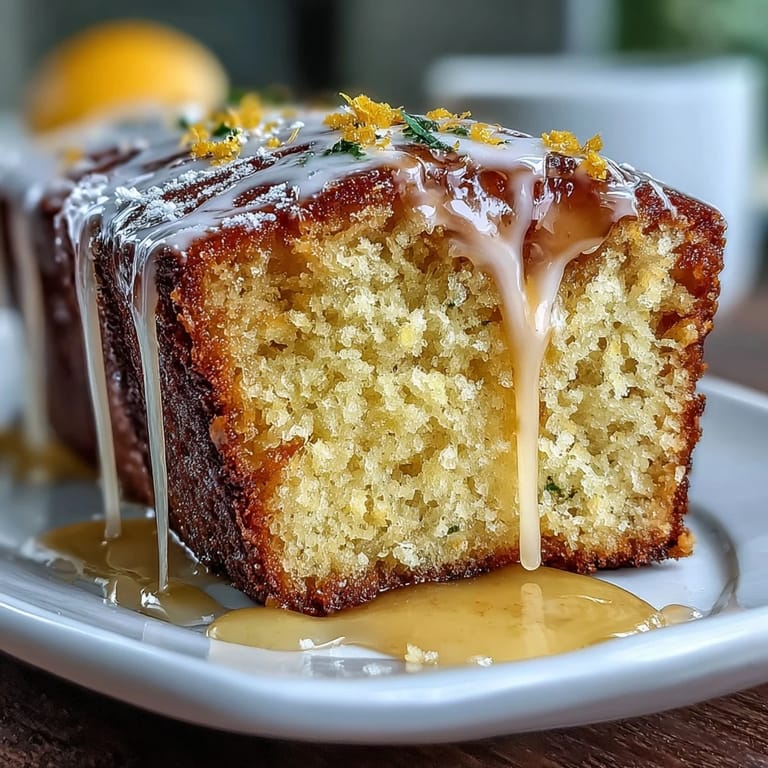
- Whisk together the sifted powdered sugar, lemon juice, optional Limoncello, and zest until the mixture is smooth and pourable like honey. If it's too thick, add another teaspoon of lemon juice; if it's too thin, add more powdered sugar.
- Finish with the glaze:
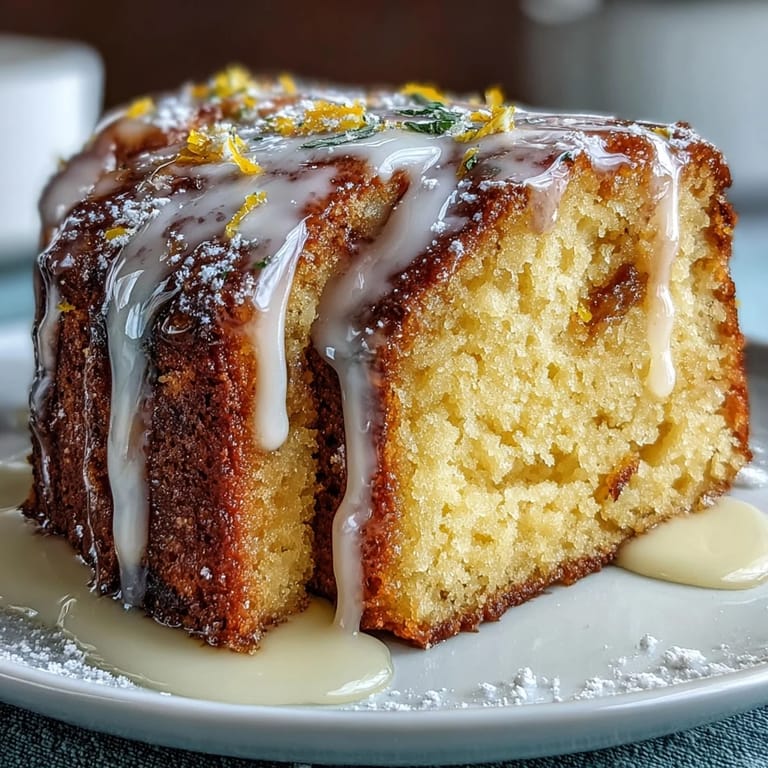
- Drizzle the glaze over the cooled cake in a decorative pattern, letting it pool slightly in the Bundt's ridges if you used one. Give the glaze 15 to 20 minutes to set before you slice and serve.
 Save
Save My neighbor once told me that her kids actually asked for seconds of cake, which in her house was practically a miracle. She brought back the empty plate the next day and admitted she'd been sneaking slices cold from the fridge all morning, which somehow felt like the highest compliment of all.
Why Limoncello Is the Right Choice
Limoncello isn't just about adding alcohol to a dessert—it's about layering flavor in a way that simple lemon juice can't do alone. The spirit bakes off, leaving behind a subtle warmth and depth that makes people say the cake tastes like something they've had on vacation. When you combine it with fresh lemon zest and juice, you get brightness and complexity at the same time, which is why this cake tastes more sophisticated than its ingredient list suggests.
The Science of a Tender Crumb
This cake stays moist because the milk and Limoncello together create a humid baking environment that keeps gluten from tightening up too much. The sugar and butter trapped air during creaming, and that air expands in the oven to give you a tender structure. It's why pound cake, done right, feels light instead of heavy—all those tiny air bubbles make the difference between something that feels indulgent and something that feels like eating a cloud.
Storing and Serving Your Cake
This cake actually gets better on day two after the flavors have had time to settle and mellow together. Keep it wrapped tightly at room temperature for up to three days, or freeze it well-wrapped for up to a month. Serve it with fresh berries, a cup of espresso, or a small glass of whatever Limoncello you have left, and watch people lean back and sigh with contentment.
- Thin lemon slices or candied lemon peel scattered on top add visual flair and an extra burst of flavor.
- A scoop of vanilla ice cream on a warm slice turns this into an elegant dessert that feels special without requiring extra effort.
- This cake travels beautifully, so it's perfect for potlucks or bringing to someone who needs a little edible kindness.
 Save
Save This cake has become my answer to the question of what to bring when I want to make someone smile. It's the kind of recipe that asks for a little care but rewards you with a dessert that tastes like someone spent hours on it, which is maybe the best kind of cooking there is.
Recipe Q&A
- → Can I omit the Limoncello?
Yes, substitute Limoncello with extra fresh lemon juice for a non-alcoholic version without compromising the citrus flavor.
- → What pan is best for baking this cake?
A 10-cup Bundt pan or a standard loaf pan works well for even baking and shape retention.
- → How do I know when the cake is done baking?
Insert a toothpick into the center; it should come out clean when the cake is fully baked.
- → Can I prepare the lemon glaze in advance?
Yes, whisk the glaze until smooth and store it covered; apply it once the cake has completely cooled.
- → What are good garnishes to complement this cake?
Thin lemon slices, candied lemon peel, or fresh berries add a vibrant, decorative touch.